
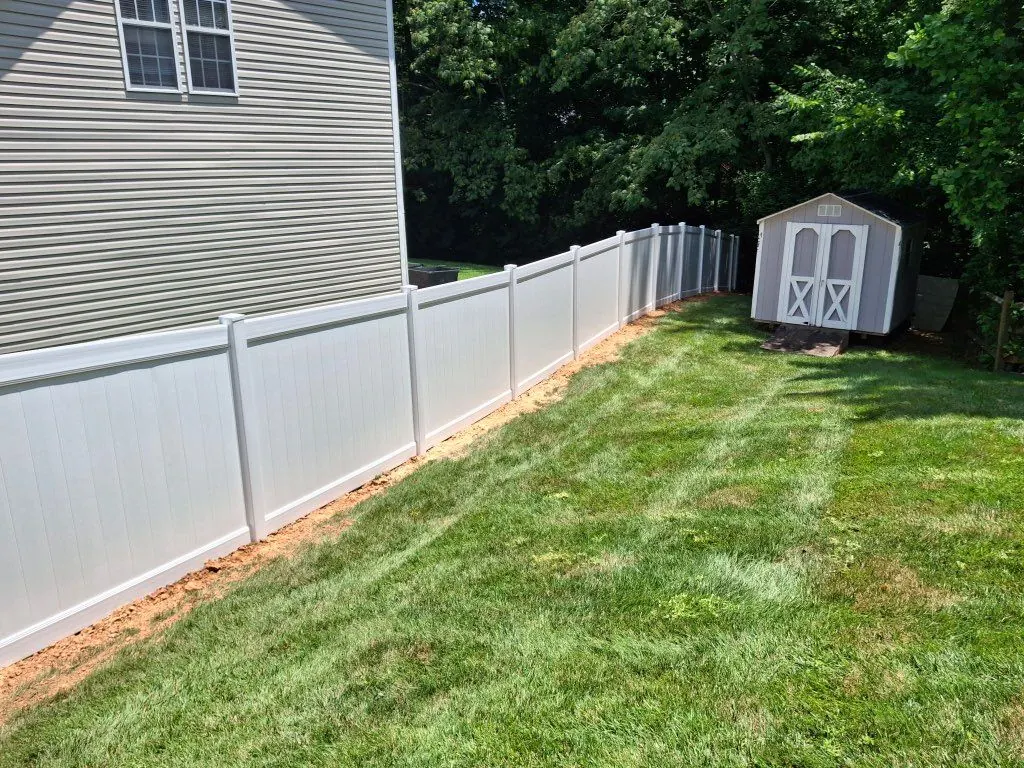
Key takeaways
- Read your HOA’s architectural guidelines before you choose a material, height or color.
- A complete application usually includes a site plan, product details and photos or a drawing of the style.
- Don’t start installation until you have written approval in hand.
- We help prepare the paperwork, but approval is always the HOA’s decision and can’t be guaranteed.
If you live in a newer neighborhood in Charlotte, Waxhaw, Huntersville, Indian Trail or Concord, there's a good chance your homeowners association has a say in your fence. Many associations have an architectural review committee (often called an ARC or ACC) that must approve exterior changes, including fences, before work starts.
The process isn't hard, but it does reward preparation. Here's how it usually works, what committees tend to look for and how we help our customers put together a clean application.
Step 1: Find and read your HOA's guidelines
Start with the documents. Most HOAs post their architectural guidelines, covenants (CC&Rs) and an application form on a resident portal or management company website. If you can't find them, email the management company and ask for "the architectural guidelines and the exterior modification application."
When you read the fence section, look for:
- Allowed materials such as wood, vinyl, aluminum or no chain link.
- Height limits for backyard and side yard fences.
- Approved styles and colors, sometimes down to a specific board style or vinyl color.
- Placement rules, such as how far back from the front corner of the house the fence must start.
- Finished side, often a requirement that the "good side" faces out toward neighbors and the street.
- Review timeline, meaning how long the committee has to respond.
Keep the PDF handy. You'll refer to it while designing the fence.
Step 2: Check city or county rules, too
HOA approval and local rules are separate. Your city, town or county may set its own height limits, setbacks, corner-lot visibility rules and, for pools, barrier requirements. Rules differ between Charlotte, Matthews, Huntersville, Waxhaw, Concord and other towns, so confirm with your local planning or permit office. If you're adding or replacing a fence around a pool, read our pool fence guide.
Step 3: Design a fence that matches the guidelines
This is where most delays start. Homeowners fall in love with a style, submit it and learn the HOA allows only one board style or one vinyl color. It's far faster to design within the rules from the start.
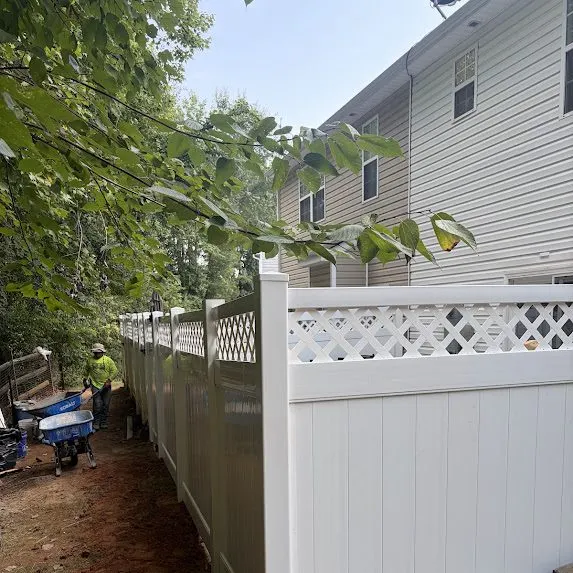
The Fence Design Studio lets you try materials, heights and colors in 3D, so you can compare what the guidelines allow before you meet with us. Common HOA-friendly choices in our area include:
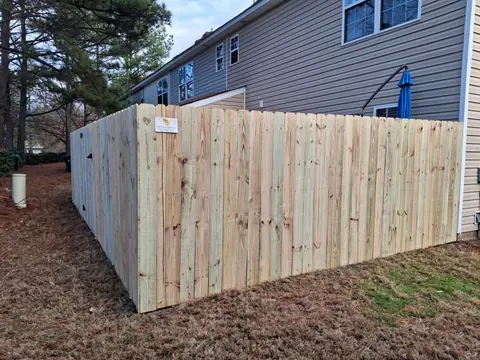
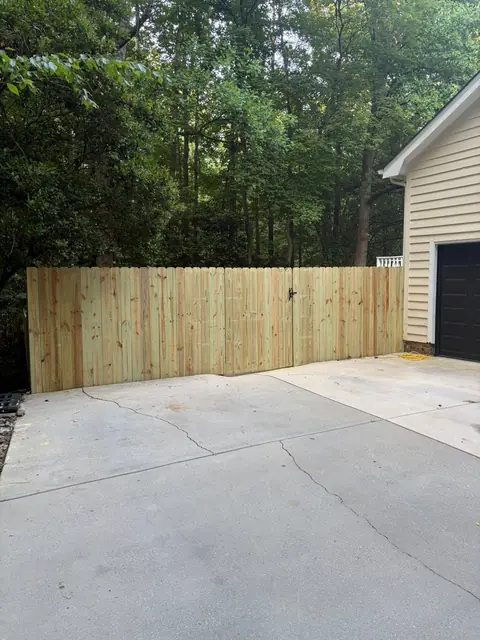
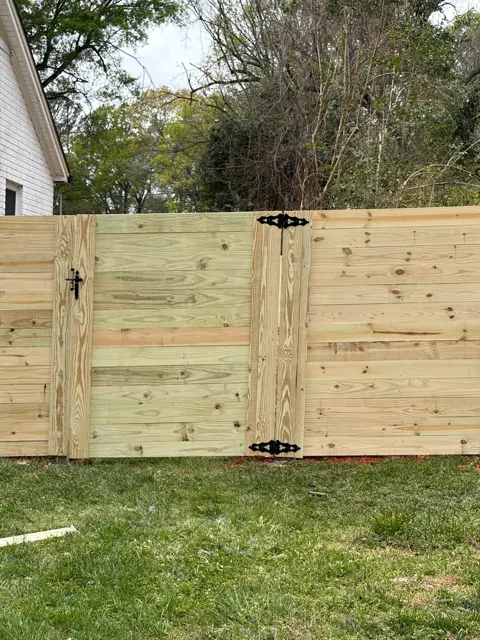
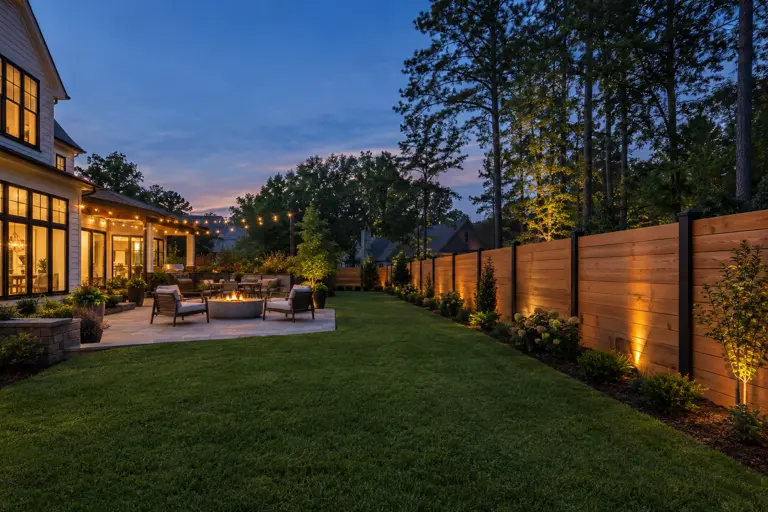
- 6 ft wood privacy (dog-ear, board-on-board or shadowbox), finished side out
- White or tan vinyl privacy or semi-privacy
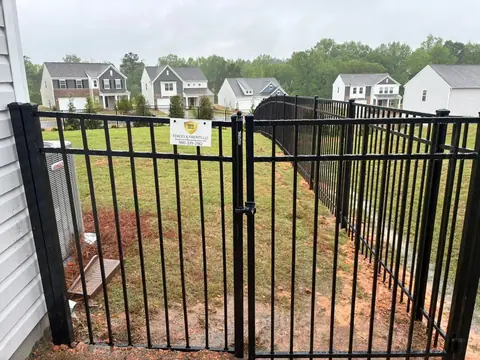
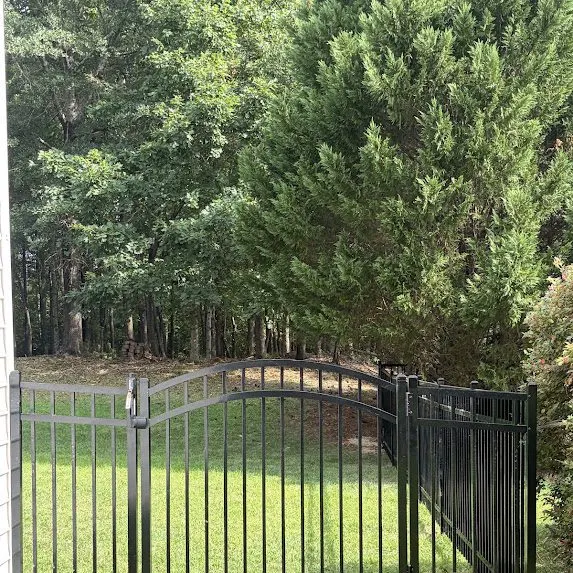
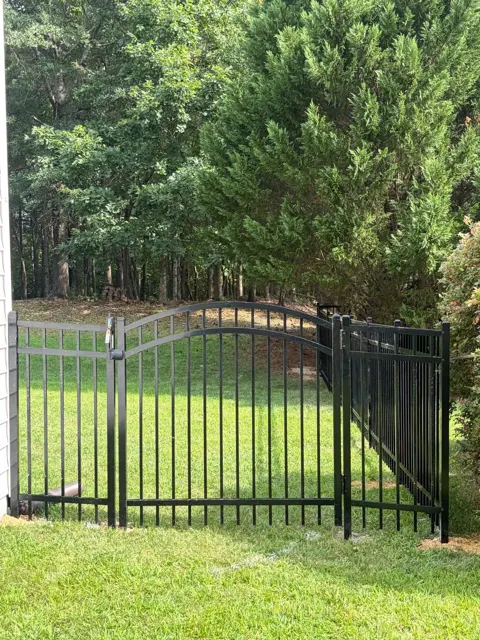
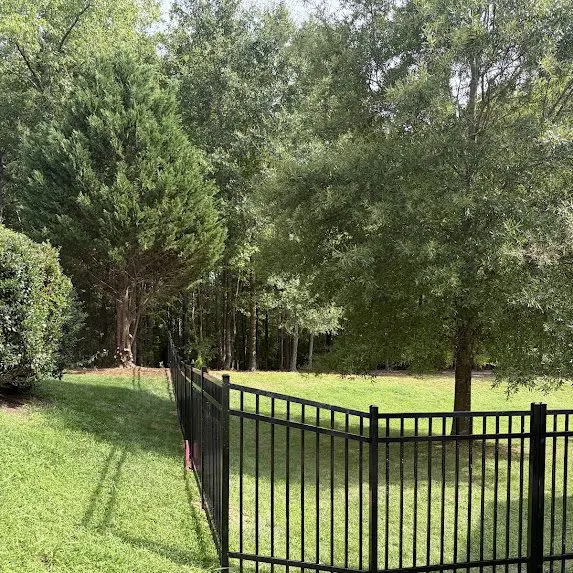
- Black aluminum, often required around ponds, golf course lots or pools so views stay open
- Lower picket or rail fences in front-facing areas
Step 4: Gather what the committee needs
Every HOA's form is different, but most ask for some version of the following:
- The completed application form, signed.
- A site plan. A copy of your plat or survey with the fence line drawn on it, plus gate locations and the distance from the house and property lines.
- Product details. Material, height, style, color and post details, often with a photo or drawing of the style.
- Contractor information, sometimes including proof of insurance.
- Neighbor acknowledgment, which some HOAs request for fences on shared lines.
As part of our normal process, we help customers prepare this package. After the on-site visit, you'll have a written estimate with the material, height, style and footage spelled out, which makes the product section easy. Our HOA fence approval page includes a downloadable checklist and spec sheet.
Step 5: Submit and wait for written approval
Submit through the method your HOA specifies, whether that's a portal, email or paper form, and keep a copy of everything. Note the date you submitted it. Many guidelines give the committee a set number of days to respond.
Don't start installation until you have written approval. Installing first and asking later can lead to fines or an order to remove or change the fence. We schedule installation after you confirm approval.
If the HOA asks for changes
A request for changes isn't a denial. Committees often approve with conditions, such as a different color, a lower height in one section or moving a gate. Read the response carefully, adjust the design and resubmit. We'll update the estimate to match.
Common reasons for revisions include:
- Fence starts too close to the front of the house
- Height exceeds the limit in a side yard
- Color or style not on the approved list
- Finished side facing in instead of out
- Missing site plan or unclear product details
Step 6: Schedule installation and locate utilities
Once you're approved, we schedule your installation and request a utility locate so underground lines are marked before anyone digs. If you have private lines the public locate service doesn't mark, such as sprinkler lines, landscape lighting, a pool line or a backyard gas line, let us know. Our yard prep guide lists everything to do before install day.
A quick HOA checklist
- Download the architectural guidelines and fence application
- Note allowed materials, heights, colors and placement rules
- Check city or county rules for your address
- Design within the rules (try the Design Studio)
- Get a written estimate with exact specs
- Mark the fence line and gates on your plat
- Submit the complete package and keep copies
- Wait for written approval before scheduling
Frequently asked questions
Do I need HOA approval for a fence in Charlotte?
If your home is in an HOA, you very likely need architectural approval before installing or replacing a fence. Check your association’s guidelines and covenants for the exact requirement.
Can a fence company guarantee HOA approval?
No. Approval is always your HOA’s decision. We help you prepare a complete application with a site plan and product details, which gives you the best chance, but no contractor can guarantee the outcome.
What do I need to submit to my HOA for a fence?
Most HOAs ask for the signed application, a site plan showing the fence line and gates, and product details such as material, height, style and color. Some also ask for contractor insurance or neighbor acknowledgment.
Can I start building before the HOA responds?
We don’t recommend it. Installing before written approval can lead to fines or an order to change or remove the fence. We schedule installation after you confirm approval.

About the author
Fences & Firepits team, reviewed by Ron Memallaj, owner of Fences & Firepits LLC. We're a licensed and insured fence company serving Charlotte and the surrounding communities since 2022. Every fence we build is installed by our own in-house crew. We don't hire subcontractors.