
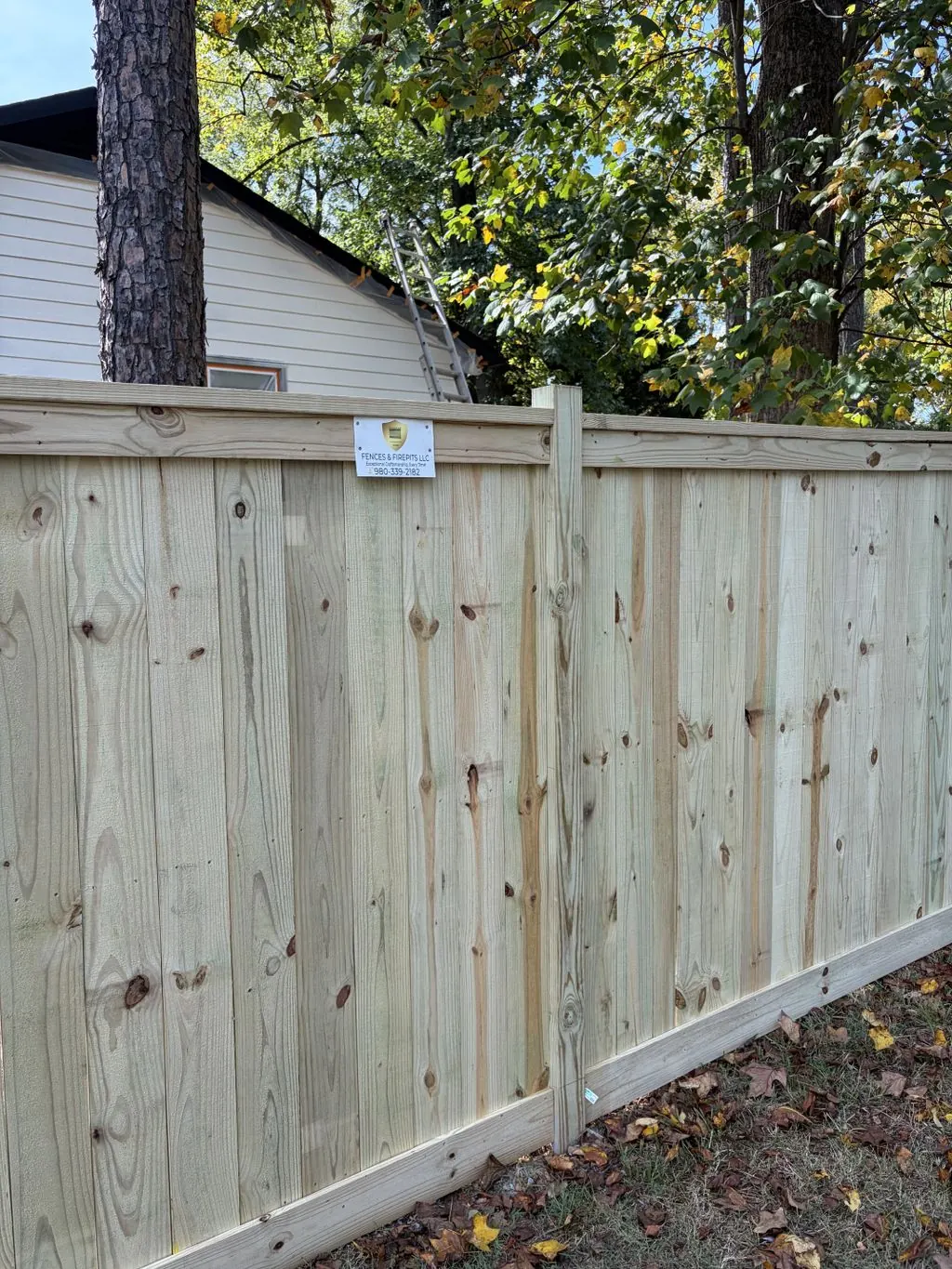
Key takeaways
- A fence's value depends on your neighborhood, the buyers in your market and the fence itself.
- Many buyers with kids and pets look for a fenced yard, which can broaden a home's appeal.
- Quality, condition and fit with the home matter more than the fence simply existing.
- The biggest return is often everyday use: privacy, safety and a yard you enjoy.
When homeowners think about a new fence, a common question is whether it will add value to the home. It is a fair question. A fence is a meaningful investment, and it is natural to wonder whether some of that comes back when you sell.
The honest answer is that it depends. We will not quote statistics or promise a specific return, because the effect of a fence on a home's value varies widely by neighborhood, market conditions, buyer preferences and the fence itself. What we can do is explain the factors that tend to matter, so you can make a smart decision for your home. For a professional opinion on your specific property, talk with a local real estate agent or appraiser.
Two kinds of value
It helps to think about value in two ways:
- Financial value: how a fence might influence what buyers are willing to pay or how quickly a home sells.
- Living value: what the fence does for you every day while you live in the home.
For most homeowners, the living value is the main reason to build a fence. Privacy for the patio, a safe yard for the dog, a secure space for kids to play and a finished look for the property make a real difference in how you enjoy your home. Any resale benefit is a bonus.
When a fence tends to help
Neighborhoods full of families and pet owners
Many Charlotte-area neighborhoods are full of young families and dog owners. For these buyers, a fenced backyard can be a strong draw. It saves them the time and cost of installing one themselves and means they can move in and let the dog out on day one. In these neighborhoods, an unfenced yard may be seen as a project to add.
Homes where a fence is expected
If most homes on your street have fenced backyards, buyers may expect yours to have one too. A home without a fence can stand out in a less flattering way.
Privacy-sensitive lots
Homes with close neighbors, a busy street behind them or a backyard that faces a common area often benefit from a privacy fence. Buyers may see a well-placed fence as solving a problem.
Pools
Pools need barriers that meet code requirements. A compliant, attractive pool fence is part of what makes a pool an asset rather than a concern. See our pool fence requirements guide.
Curb appeal
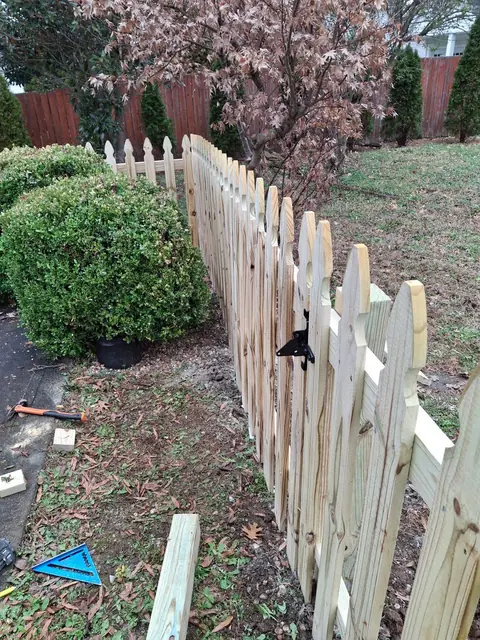
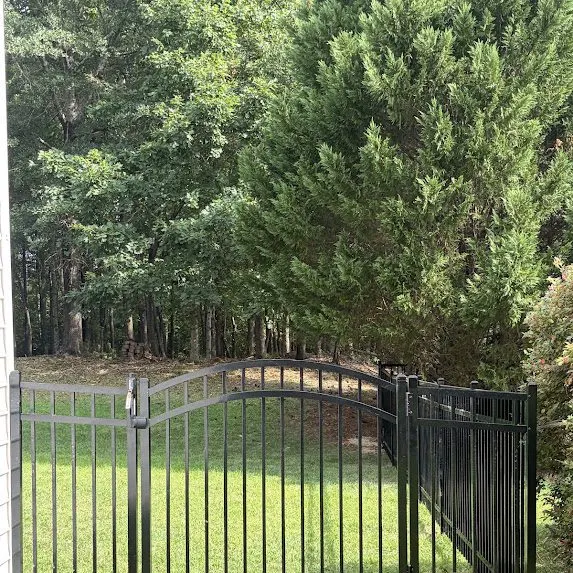
A front yard fence that suits the home can improve its first impression in listing photos and showings. A charming picket fence or elegant black aluminum fence can make a home feel finished. See front yard fence ideas.
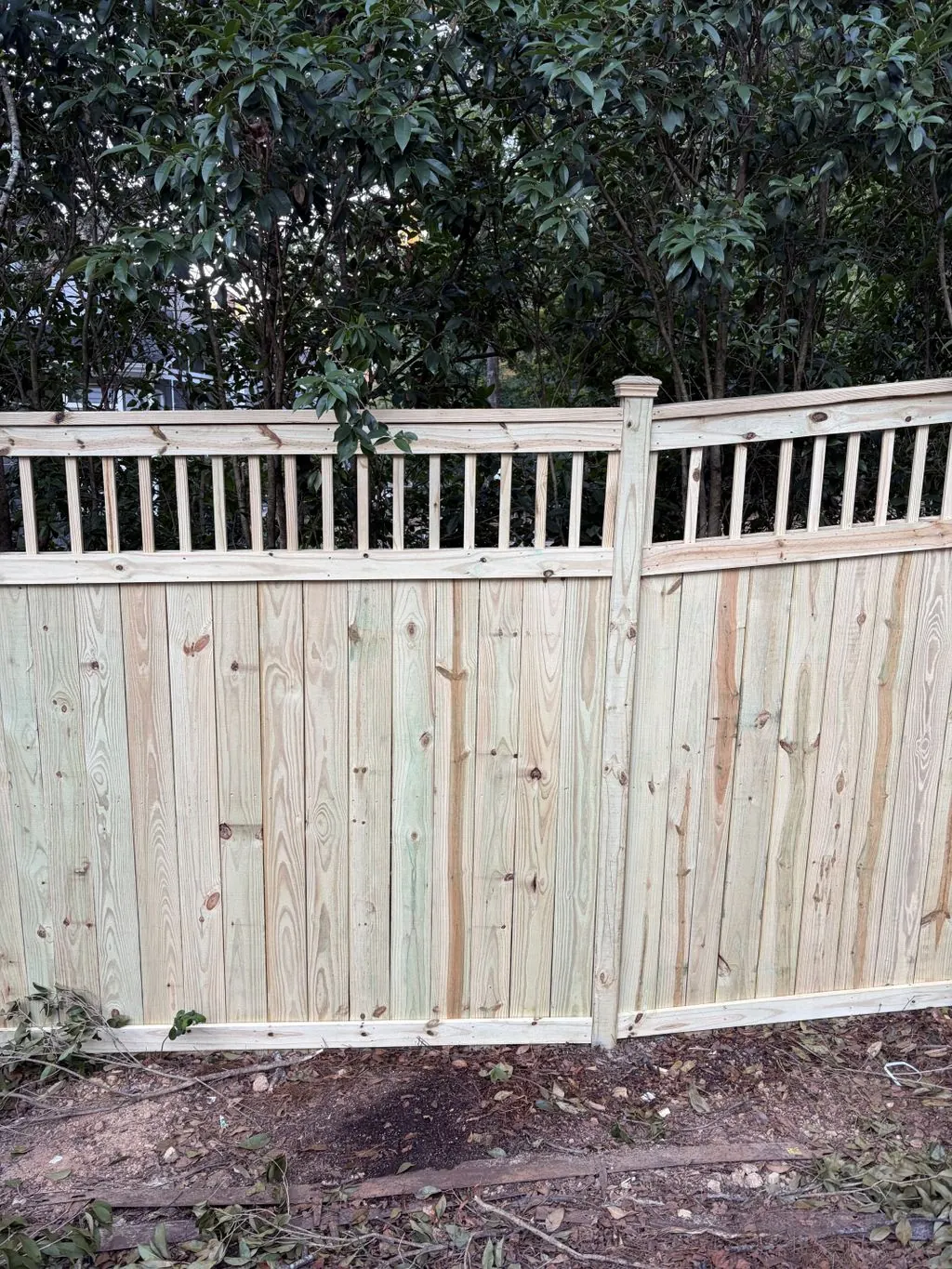
When a fence may not help as much
- Poor condition: a leaning, rotting or damaged fence can hurt curb appeal and become a negotiation point for buyers. See our repair or replace guide.
- Mismatch with the home: a fence that clashes with the architecture or neighborhood can detract from the home.
- Blocking views: on lots with lake, golf course or wooded views, a tall solid fence may hide one of the property's best features.
- Unusual or overly personal styles: very bold colors or unusual designs may not appeal to every buyer.
- Not approved: a fence that violates HOA rules or local codes can create problems during a sale.
- Neighborhood norms: in areas where open front yards are the norm, a tall front fence may stand out negatively.
Choices that tend to appeal to buyers
Quality construction
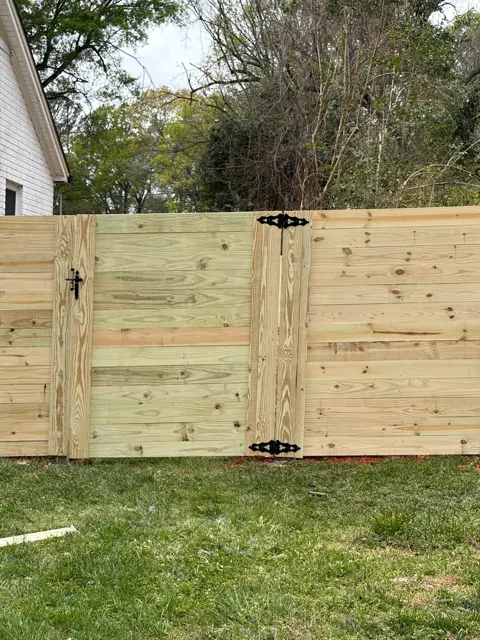
Straight lines, solid posts, gates that latch properly and clean finishing details show buyers the fence was built to last. Quality is visible.
Durable, low-maintenance materials
Many buyers appreciate materials that do not need much upkeep, like vinyl and aluminum. Well-maintained wood also appeals to many buyers. See wood vs. vinyl.
Neutral, classic styles
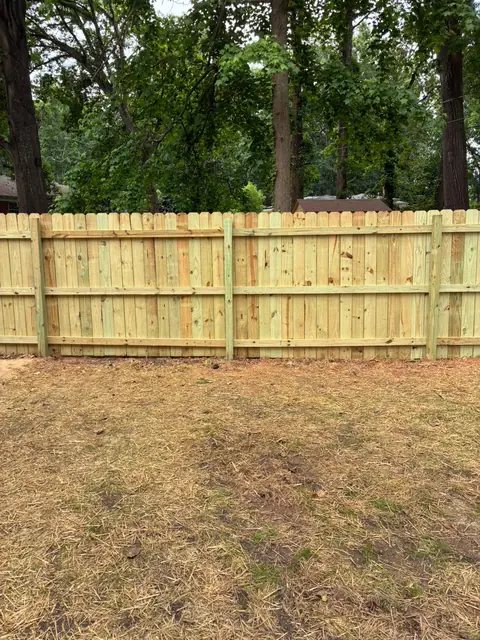
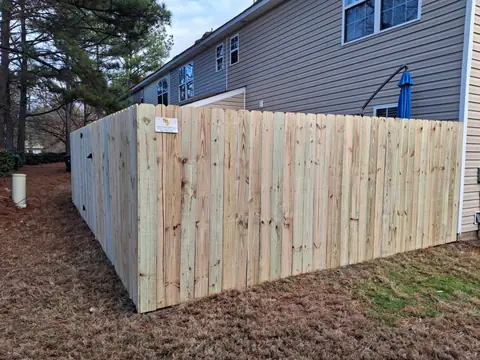
Styles like dog-ear and board-on-board privacy, white vinyl, black aluminum and classic picket appeal broadly. Neutral stain colors and finishes tend to fit more buyers' tastes.
Practical gates
Gates wide enough for mowers and equipment, and a driveway gate where appropriate, add practical value. See how many gates a fence needs.
HOA approval and compliance
A fence that was properly approved and meets local rules avoids complications during a sale. Keep your HOA approval letter and any permits with your home records.
A transferable record
Keep records of when the fence was installed, what it is made of and who installed it. Buyers like knowing the history.
Materials and buyer perception
| Material | How buyers often see it |
|---|---|
| Wood privacy | Classic and private, condition matters |
| Vinyl privacy | Clean and low maintenance |
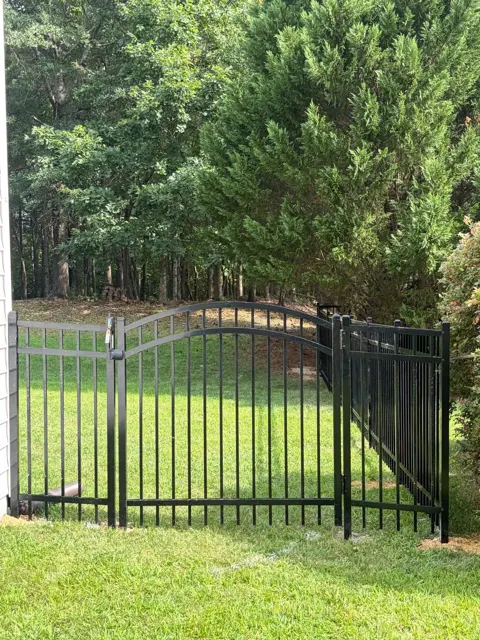
| Aluminum | Upscale and elegant, keeps views open |
| Black chain link | Practical, blends in |
| Galvanized chain link | Functional, can look utilitarian |
| Split rail | Rustic charm on larger lots |
These are general impressions, not rules. Buyer preferences vary by neighborhood and price range.
Fence value in Charlotte's growing neighborhoods
The Charlotte region has grown quickly, and many newer neighborhoods in places like Indian Trail, Huntersville, Harrisburg, Fort Mill and Waxhaw were built without fences, leaving each owner to add one. In communities like these, fenced and unfenced homes often sit side by side, and buyers can easily compare. A fence that matches the neighborhood's approved style and is in good condition helps a home present as move-in ready.
Should you build a fence before selling?
If you are planning to sell soon, think carefully about whether a new fence makes sense. Talk with your real estate agent about what buyers in your area expect. In some cases, repairing an existing fence, replacing a few damaged sections or restaining weathered wood gives a better return on a short timeline than building something new. In neighborhoods where fenced yards are expected and yours does not have one, a new fence may help the home compete.
Maintaining value over time
A fence that looks great on day one should still look good years later. Keep it in good condition:
- Stain wood fences on schedule. See when to stain a new wood fence.
- Wash vinyl and rinse aluminum periodically.
- Repair damage promptly.
- Keep gates adjusted and latching.
- Keep vines, mulch and soil away from the base.
Our maintenance guide covers each material.
Think about your own timeline
If you plan to stay in your home for many years, the most important question is what fence will make your life better. Choose the material, style and features that suit how you live. If you might sell in a few years, lean toward classic, neutral styles and durable materials that will still look good when you list.
HOAs and resale
HOA approval matters for resale. A fence built without approval, or one that violates covenants, can lead to violation notices or required changes, which can complicate a sale. Always get approval first. We help prepare paperwork, but approval is up to your HOA. See our HOA approval checklist and HOA approval guide.
The value of a fenced yard in daily life
For many families, a fence changes how they use their home:
- Letting the dog out without a leash or supervision worries
- Kids playing safely in the backyard
- Private evenings on the patio
- Hosting cookouts and gatherings with more privacy
- Gardening without foot traffic or some wildlife
- A clear, defined property line
That everyday value is often reason enough.
Questions to ask before you build
- Do most homes in my neighborhood have fences, and what style?
- What do buyers in my area typically look for?
- How long do I plan to stay?
- Does the fence suit the home's architecture?
- Will the fence block any views that are part of the property's appeal?
- What will my HOA approve?
- Which material fits my maintenance preferences?
What buyers notice during showings
When buyers walk a backyard, they notice the overall impression first: does the yard feel private, safe and cared for? Then they notice details. Gates that stick, boards that are gray and cracked, posts that lean or sections that do not match all suggest future work. A fence that looks straight, solid and consistent signals that the home has been maintained. Buyers with dogs will check for gaps under the fence and gates, and parents will notice whether gates latch securely. These small details shape perception more than many sellers realize.
Documenting your fence
Whether you sell next year or in fifteen years, good records help. Keep your installation contract, the materials and style, the installation date, any HOA approval letter and any permit paperwork in your home file. Note your warranty terms and when the fence was last stained or serviced. When it is time to sell, this information is easy to share with buyers and their agents, and it answers questions before they come up.
Fences and different buyer groups
- Young families: often prioritize a safe, enclosed backyard and secure gates.
- Dog owners: look for solid containment with no gaps and enough height for their dog.
- Downsizers and retirees: may appreciate low-maintenance materials like vinyl and aluminum.
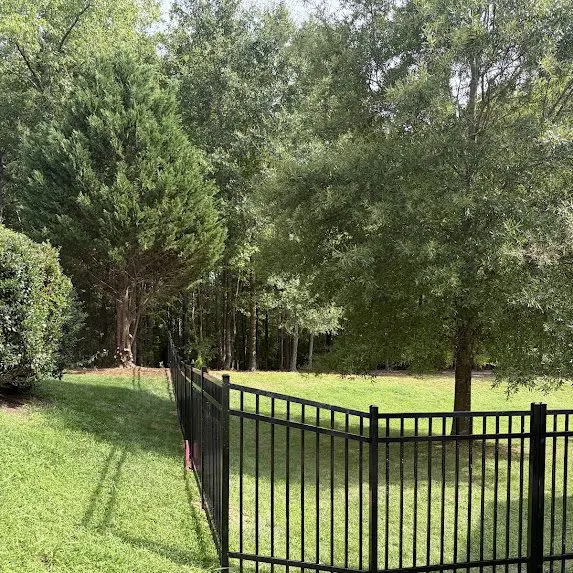
- Buyers of view lots: may prefer open fences that preserve lake, golf course or wooded views.
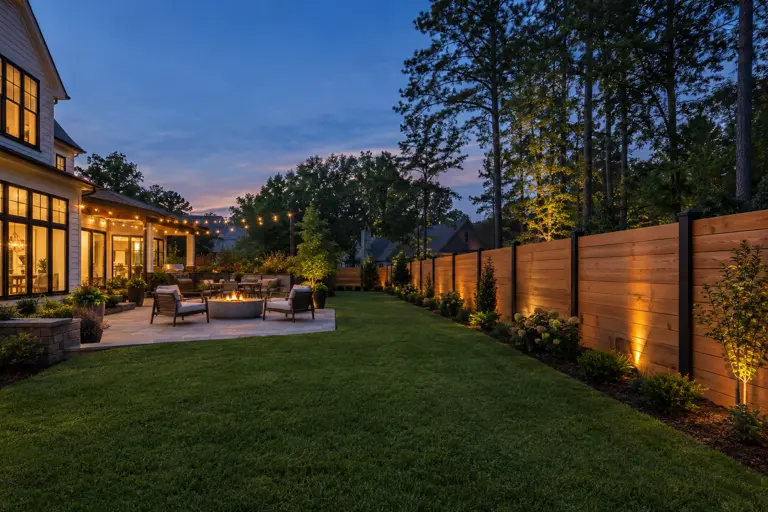
- Entertainers: value privacy around patios and outdoor living spaces.
Knowing who typically buys in your neighborhood can guide choices that appeal to the next owner while still working for you today. A local agent can tell you a lot about who is buying on your street.
Common mistakes that reduce a fence's appeal
- Letting a wood fence go years without stain. Gray, checked boards make a fence look older than it is.
- Mixing too many styles without a plan, which can look patched together.
- Ignoring a leaning section that buyers will spot immediately.
- Choosing an unusual color that may not suit future owners.
- Skipping HOA approval, which can create problems during a sale.
Build a fence that adds to your home
At Fences & Firepits, Ron helps homeowners choose fences that fit their home, their neighborhood and their goals. Our in-house crew builds every fence with solid posts, straight lines and clean details, and we never use subcontractors. We are licensed and insured, and our work is backed by a 2-year workmanship warranty. See starting rates on the pricing page, try styles in the Fence Design Studio or call Ron at (980) 339-2182 for a free on-site estimate.
Frequently asked questions
Does a fence increase home value?
It depends on your neighborhood, buyers and the fence itself. In many family and pet-friendly neighborhoods, a well-built fence can broaden a home's appeal. For a specific opinion, talk with a local agent or appraiser.
Which fence material is best for resale?
Classic, durable styles like wood or vinyl privacy, black aluminum and picket tend to appeal broadly. Condition and fit with the home matter most.
Should I build a fence before selling my house?
Talk with your real estate agent. Sometimes repairing or restaining an existing fence is a better short-term move than building new.
Can a fence hurt my home's value?
A fence in poor condition, one that clashes with the home or one that blocks valuable views may detract from appeal. Unapproved fences can also complicate a sale.
Do you provide records for my fence?
You will have your estimate and project details, and our installations come with a 2-year workmanship warranty. Keep these with your home records.
Is a fence worth it if I am not planning to sell?
For many homeowners, yes. Privacy, a safe yard for pets and kids and a finished look are valuable every day, regardless of resale.
Does the type of fence matter to buyers?
Often. Classic, well-maintained styles in neutral colors tend to appeal to the most buyers, while very unusual designs or poor condition can narrow appeal.

About the author
Fences & Firepits team, reviewed by Ron Memallaj, owner of Fences & Firepits LLC. We're a licensed and insured fence company in Charlotte, NC, serving the city and surrounding communities since 2022. Every fence we build is installed by our own in-house crew. We don't hire subcontractors.