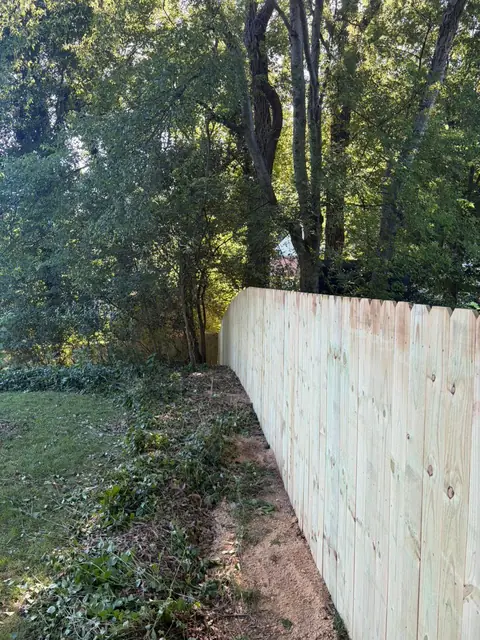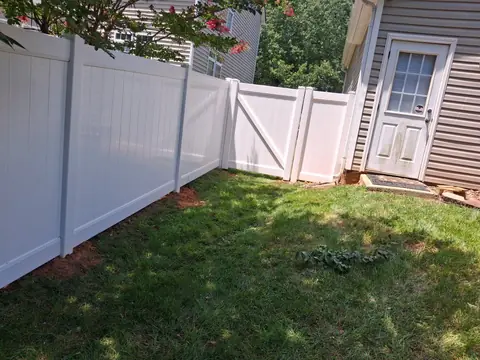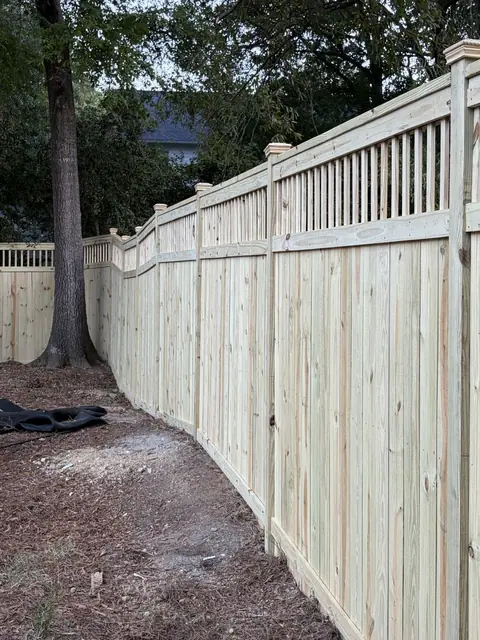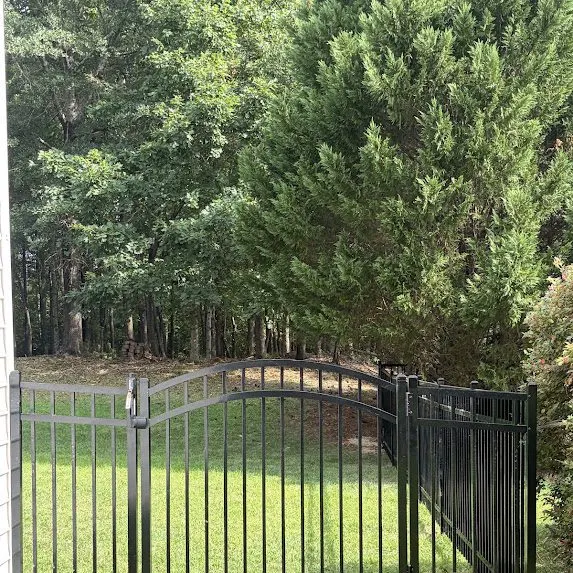

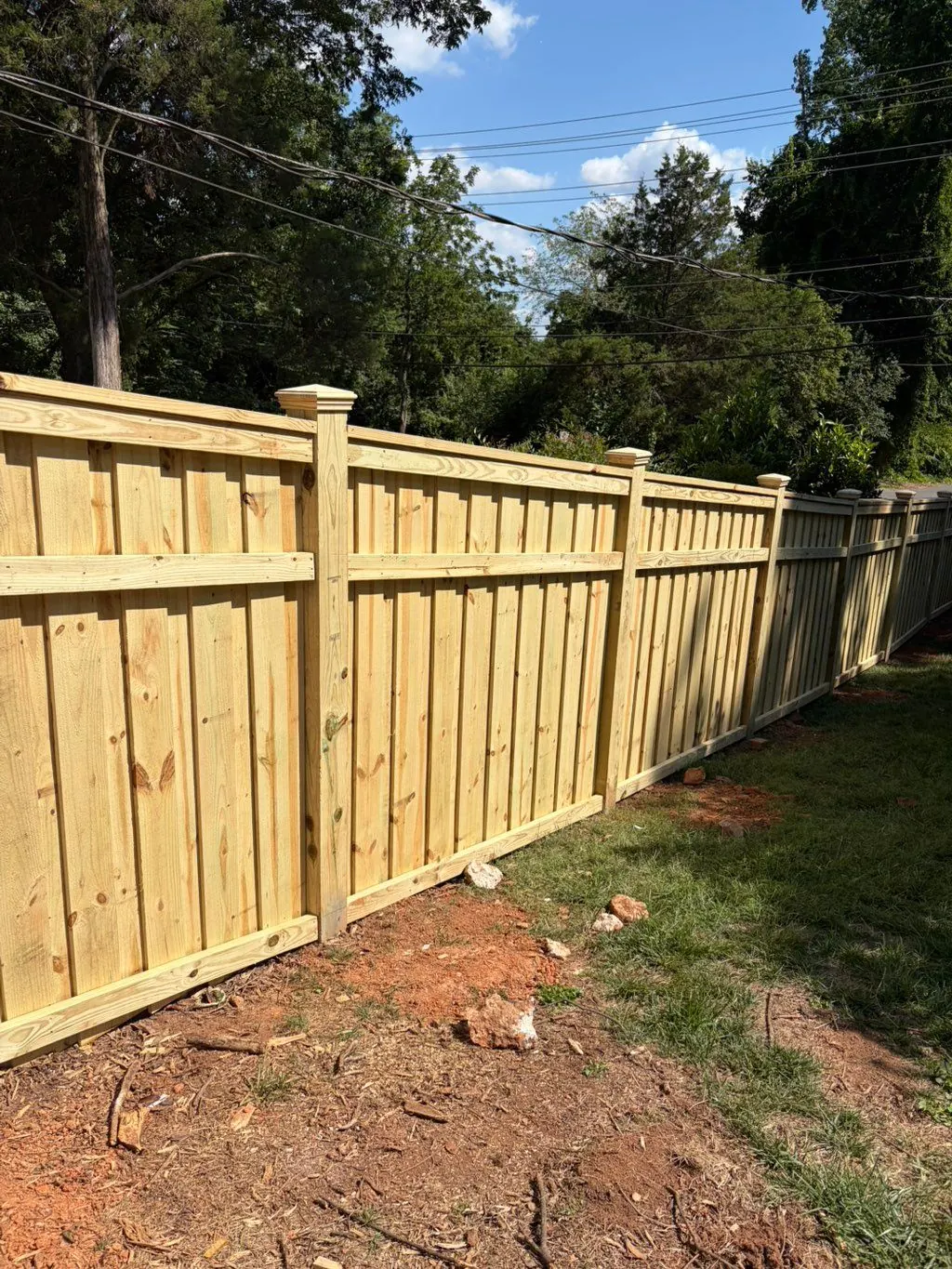
Key takeaways
- New pressure-treated pine usually needs time to dry before it will absorb stain well.
- Cedar is typically ready sooner, but still benefits from being clean and dry.
- Use the water drop test: if water beads up, wait. If it soaks in, the wood is ready.
- Stain in mild, dry weather and plan on recoating every few years.
A new wood fence looks great on installation day. Within a season or two in Charlotte's sun, rain and humidity, though, unprotected wood starts to gray, check and absorb moisture. Staining protects the wood, slows weathering and keeps the fence looking its best for years.
The tricky part is timing. Stain a new fence too soon and the finish may not soak in. Wait too long and the wood is already weathering. This guide explains when to stain a new wood fence, how to tell if it is ready and how to keep it looking good afterward.
Why stain a wood fence at all?
- Moisture protection: stain helps repel water, which reduces swelling, warping and decay.
- UV protection: pigments in stain slow the graying caused by sunlight.
- Mildew resistance: many stains include mildewcides, helpful in our humid summers.
- Appearance: stain enhances the grain and lets you choose a color that suits your home.
- Longevity: a protected fence generally lasts longer and needs fewer repairs.
Leaving a fence unstained is a choice some homeowners make. It will weather to a silver gray. But in Charlotte's climate, unprotected wood tends to check, crack and wear faster.
Pressure-treated pine vs. cedar
We install wood fences in pressure-treated pine and cedar. Timing differs between the two. See cedar vs. pressure-treated pine for a full comparison.
Pressure-treated pine
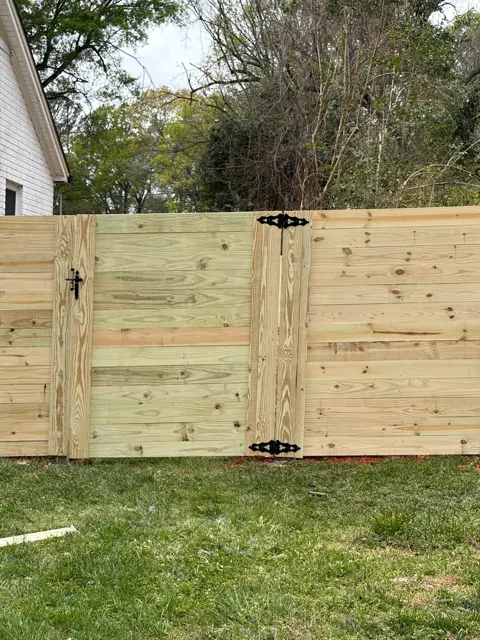
Pressure-treated lumber is infused with preservatives in a process that leaves the wood wet. New boards often feel damp and heavy. Stain cannot penetrate wood that is still saturated, so pressure-treated pine usually needs time to dry before staining. How long depends on the weather, sun exposure, the lumber itself and the season. A fence in full sun during a dry summer may be ready much sooner than a shaded fence installed during a wet winter.
Cedar
Cedar is not pressure treated and is usually drier when installed. It is often ready to stain sooner than pressure-treated pine. Cedar has natural oils and resistance to decay, but it still grays in sunlight and benefits from a protective finish.
The water drop test
The easiest way to tell if your fence is ready is the water drop test:
- Sprinkle a few drops of water on several boards in different spots, including sunny and shady sections.
- Watch what happens over a few minutes.
- If the water beads up and sits on the surface, the wood is still too wet or has mill glaze. Wait and test again later.
- If the water soaks in within a few minutes, the wood is ready to accept stain.
Test multiple areas. Shady sections often dry more slowly than sunny ones.
The best weather for staining
Charlotte weather plays a big role in when you can stain:
- Mild temperatures: most stains apply best in moderate temperatures. Very hot sun makes stain dry too fast and can cause lap marks. Very cold weather slows drying.
- Dry conditions: the wood should be dry, and no rain should be expected for a day or two after staining. Check the stain manufacturer's guidance.
- Avoid direct midday sun in summer. Work on shaded sides or in the morning and late afternoon.
- Watch the pollen: spring pine pollen can stick to wet stain. Late spring after pollen season, or fall, are often ideal.
Fall is a favorite staining season for many Charlotte homeowners, with mild temperatures and often dry stretches. Late spring after pollen season works well too. See our best time to install guide for how installation timing affects staining.
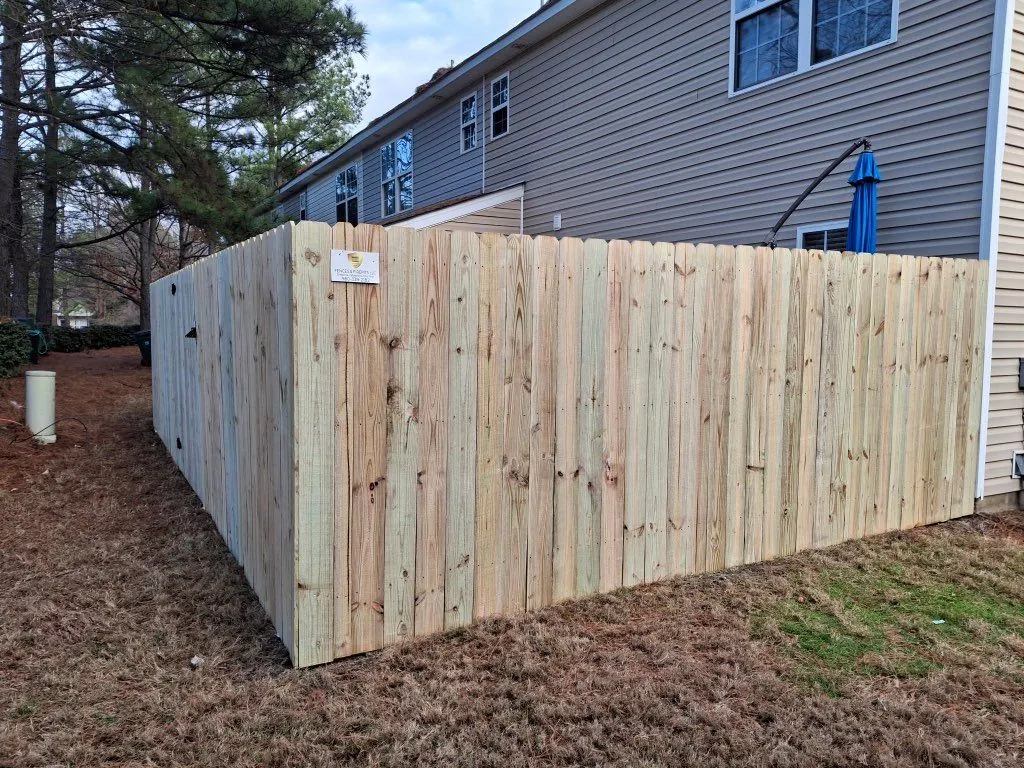
Choosing a stain type
Transparent and toner
Shows the most wood grain with a light tint. Offers the least UV protection, so it may need recoating more often.
Semi-transparent
The most popular choice for fences. It adds color while letting the grain show through, and the pigment offers good UV protection.
Semi-solid and solid
Covers more of the grain, like a thin paint. It provides strong UV protection and can even out color differences between boards. It may last longer between coats but can peel if not applied properly.
Oil-based vs. water-based
Oil-based stains penetrate deeply and are traditional for fences. Water-based stains clean up easily, dry faster and have improved a lot over the years. Either can work well. Follow the manufacturer's instructions for the wood type and conditions.
Choosing a color
- Natural and cedar tones: warm, classic and enhance the wood's look.
- Brown and walnut: rich and hide weathering well.
- Gray and weathered tones: modern and pair well with gray and white homes.
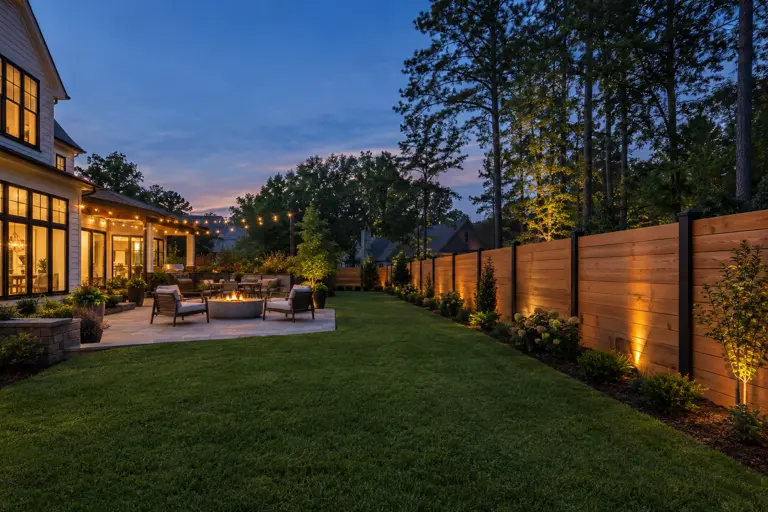
- Dark tones like charcoal or black: dramatic and contemporary, especially on horizontal fences.
Test a sample on a few boards before committing. Pine and cedar take the same stain differently. Check HOA rules, since some communities specify fence colors or require a natural look. See our HOA approval checklist.
Preparing the fence
- Make sure the wood is dry and passes the water drop test.
- Clean the surface of dirt, pollen and mildew. A wood cleaner can help on older or weathered wood.
- Let it dry fully after cleaning.
- Protect nearby surfaces like plants, siding, patios and the neighbor's side.
- Trim plants away from the fence so you can reach every board.
Applying stain
- Use a sprayer, roller or brush, or a combination. Back-brushing after spraying or rolling helps the stain penetrate.
- Work in manageable sections, keeping a wet edge to avoid lap marks.
- Apply evenly and avoid puddling.
- Do not forget the tops of boards and posts, which take the most weather.
- Follow the manufacturer's directions on coats and dry time.
Both sides of the fence
Ideally, both sides of the fence are stained so the wood is protected evenly. If the outside faces a neighbor, ask permission before working on their side. Shadowbox and board-on-board styles have boards visible on both faces, so both sides benefit from stain. See board-on-board vs. standard privacy and our property line and neighbors guide.
How often to recoat
How long stain lasts depends on the product, how much sun and rain the fence gets and how well the first coat was applied. Transparent stains need recoating more often than semi-transparent and solid stains. Sunny, south-facing fence lines wear faster than shaded ones. A good habit is to check your fence each spring:
- Does water still bead on the boards? If not, it may be time to recoat.
- Is the color fading or uneven?
- Are there signs of mildew or graying?
Our maintenance guide covers yearly care.
Common staining mistakes
- Staining too soon: the stain sits on the surface and may wear off quickly.
- Waiting too long: the wood grays and checks, requiring extra prep.
- Staining in hot, direct sun: causes lap marks and uneven color.
- Staining before rain: washes off fresh stain.
- Skipping cleaning: stain will not bond well to dirty or mildewed wood.
- Applying too thick: solid stains in particular can peel if over-applied.
- Forgetting the tops: board and post tops take the most weather.
Shade, trees and moisture
Fences under trees stay damp longer and are more prone to mildew. Stain with a mildewcide helps, as does keeping leaves cleared from the base of the fence and trimming branches that touch it. See our guide to fences around trees.
Keep water away from the base
Stain protects the boards, but water sitting at the base of the fence is still the biggest threat to wood. Keep mulch and soil from piling against the boards, aim sprinklers away from the fence and direct downspouts elsewhere. Our red clay post guide explains why drainage matters so much in Charlotte soil.
What about sealers and paint?
Clear water sealers repel water but offer little UV protection, so wood may still gray. Paint gives full color coverage but can peel and requires scraping before repainting. For most fences, a quality semi-transparent or semi-solid stain offers the best balance of protection, appearance and easy maintenance.
Restaining an older fence
If your fence has already grayed, it can often be brought back. Cleaning and brightening the wood removes the gray surface layer, and a fresh coat of stain restores color and protection. If boards are cracked, warped or soft, they may need replacement first. See our repair or replace guide.
DIY or hire a pro?
Staining a fence is a manageable DIY project for many homeowners, especially on a shorter fence. It takes time, the right weather and some patience. Larger fences, tall privacy fences and fences with lots of detail, like shadowbox or lattice tops, take much longer. If you would rather not do it yourself, a professional painting or staining company can handle it. Either way, the timing and weather guidance in this article applies.
A sample first-year plan for a new wood fence
- Installation day: enjoy your new fence. Keep sprinklers off it and mulch away from the base.
- First few weeks: let the wood begin to dry. For pressure-treated pine in particular, patience pays off.
- Every few weeks: do the water drop test on sunny and shady sections.
- When water soaks in: clean the fence, let it dry and pick a stretch of mild, dry weather to stain.
- After staining: note the date and product so you know when to check again.
- Each spring: rinse off pollen, check for beading and plan a recoat when needed.
How color changes over time
Even the best stain fades gradually. Sunny sections fade faster than shady ones, and the tops of boards weather faster than the faces. That is normal. When you recoat, the fence will often look richer than it did after the first coat, because older wood absorbs stain more readily. If you are switching colors, going darker is easier than going lighter, since a lighter stain will not cover a darker one well.
Start with a well-built fence
Stain protects a fence, but it cannot fix poor construction. A fence built with ground-contact posts set in concrete, galvanized or coated fasteners and good drainage at the base gives your stain the best chance to perform. At Fences & Firepits, our in-house crew builds every wood fence to those standards, with no subcontractors. We are licensed and insured, and our installations are backed by a 2-year workmanship warranty. Ron is happy to talk about wood choices and staining timing during your free estimate. Call (980) 339-2182, or explore wood fencing and the Fence Design Studio.
Frequently asked questions
How long should I wait to stain a new pressure-treated fence?
It depends on weather, sun and the lumber. Pressure-treated pine needs to dry first. Use the water drop test: when water soaks in instead of beading, it is ready.
Can I stain a cedar fence right away?
Cedar is usually drier at installation and is often ready sooner than pressure-treated pine. Make sure it is clean and passes the water drop test.
What is the best stain for a fence?
Semi-transparent stain is the most popular choice because it adds color and UV protection while showing the grain. Semi-solid stain offers more coverage.
How often should I restain my fence?
It depends on the product and sun exposure. Check each spring. If water no longer beads up or the color has faded, it is time to recoat.
What is the best time of year to stain in Charlotte?
Mild, dry weather is best. Many homeowners prefer fall or late spring after pollen season.
Should I stain both sides of my fence?
Ideally, yes, so the wood is protected evenly. If the outside faces a neighbor, ask permission before working on their side.

About the author
Fences & Firepits team, reviewed by Ron Memallaj, owner of Fences & Firepits LLC. We're a licensed and insured fence company in Charlotte, NC, serving the city and surrounding communities since 2022. Every fence we build is installed by our own in-house crew. We don't hire subcontractors.