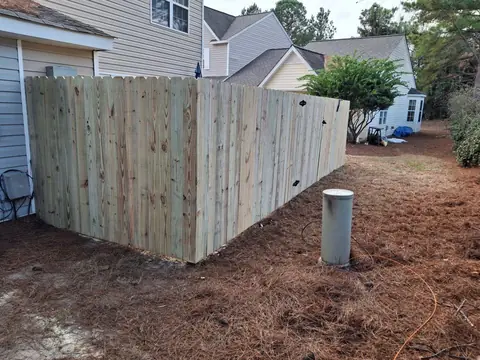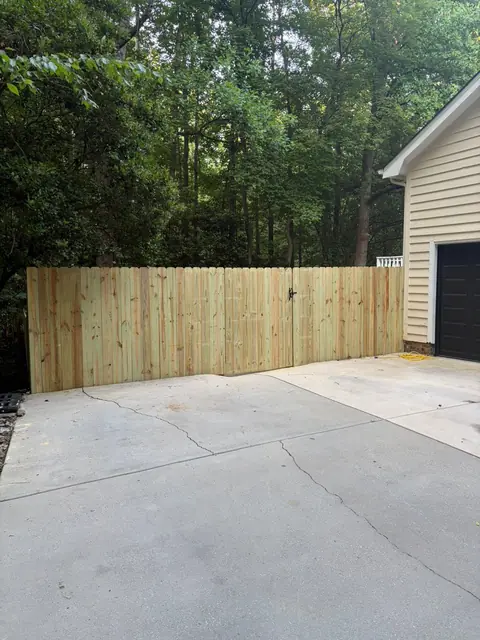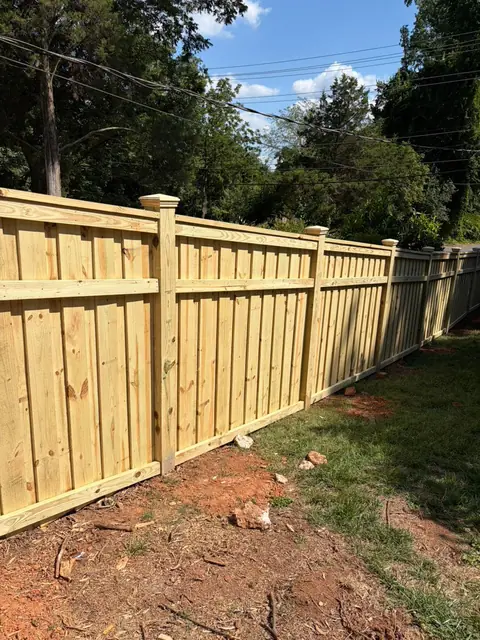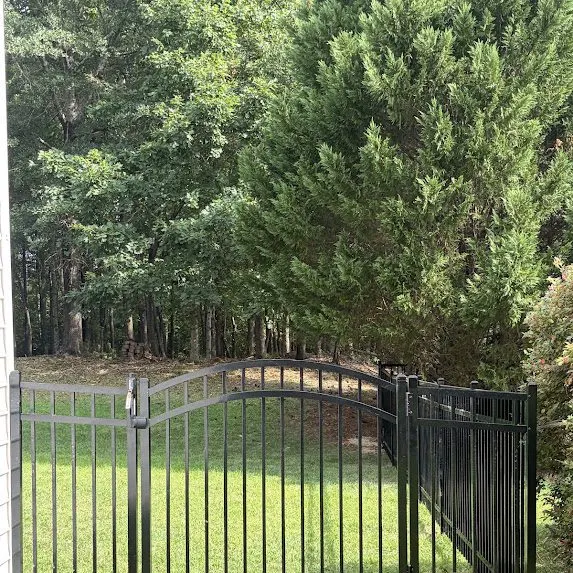

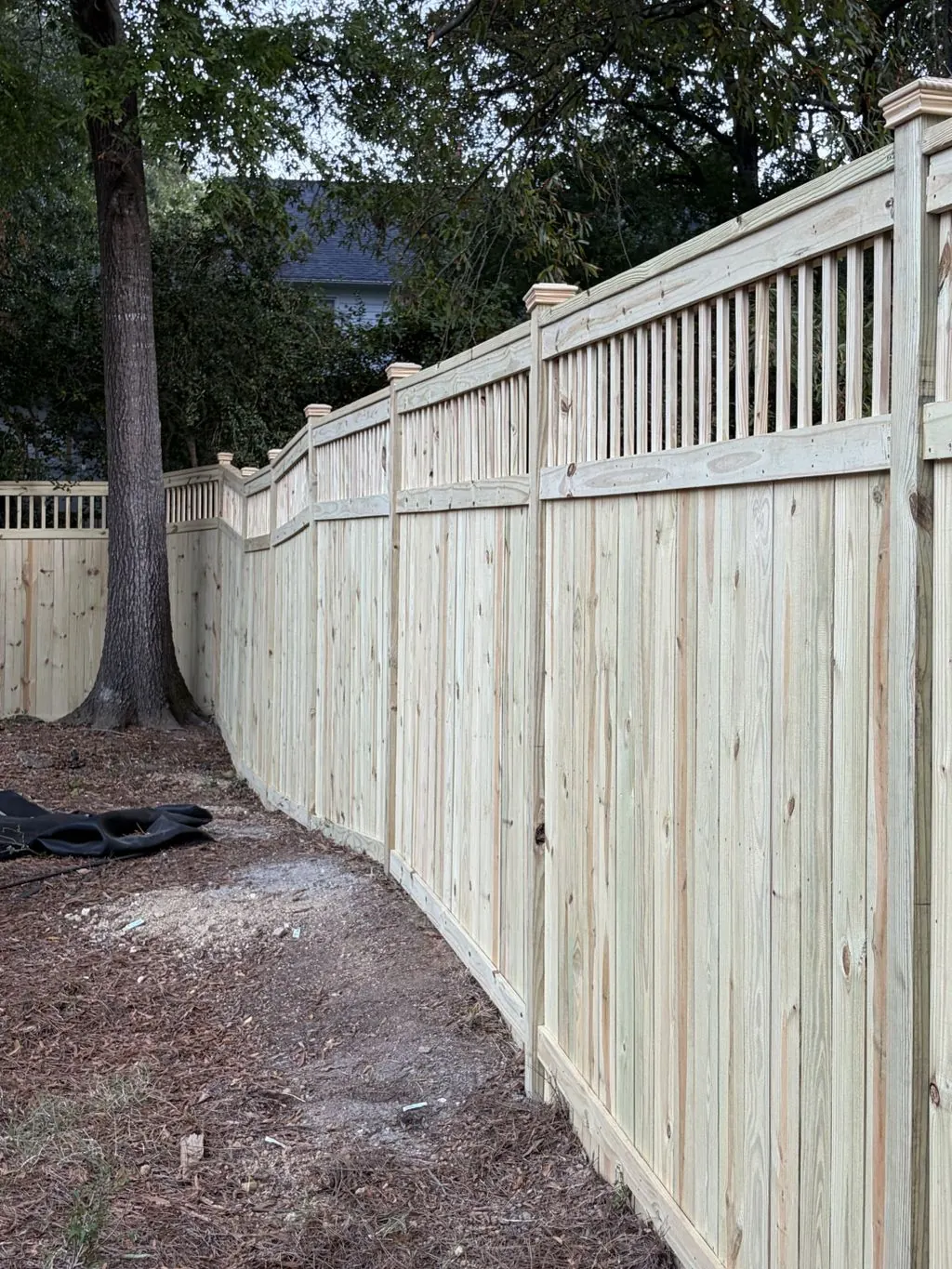
Key takeaways
- Charlotte's mild climate allows fence installation in every season.
- Spring is popular, so planning in late winter helps you get on the schedule.
- Fall and winter can be great times to install, with cooler weather and dormant plants.
- Build in time for HOA approval, which can take weeks.
One of the most common questions Ron hears is, "When is the best time to put in a fence?" In colder parts of the country, frozen ground limits fence work to a few months of the year. In Charlotte, our mild climate means fences can go in during every season. Each season has its own advantages, though, and timing your project well can make the process smoother.
This guide walks through what to expect in each season, how to plan around HOA approvals and life events and why the best time to start planning is usually earlier than you think.
The short answer
The best time to install a fence is before you need it. If you are getting a puppy in April, moving in June or opening a pool in May, start planning a couple of months ahead to allow for the estimate, HOA approval, material ordering and scheduling. Beyond that, every season works in Charlotte.
Spring (March to May)
Why it is popular
- People are back outside and thinking about yards, pets and pools.
- Many families want a fence ready for summer.
- New puppies often arrive in spring.
- Comfortable temperatures for outdoor work.
Things to know
- Busy season: spring is one of the busiest times of year for fence companies. Getting your estimate in late winter helps you get on the schedule.
- Rain: spring showers can cause occasional weather delays.
- Pollen: yellow pine pollen coats everything for a few weeks. It washes off but is worth knowing if you are staining.
- Plants waking up: new growth along the fence line may need trimming before installation.
Summer (June to August)
Advantages
- Long days give more working hours.
- Kids are out of school and families are using their yards.
- Pool season makes pool fencing a priority.
- Generally drier ground between storms.
Things to know
- Heat: our crew starts early to beat the hottest part of the day. Hours are Monday to Saturday, 7 AM to 7 PM.
- Thunderstorms: afternoon storms can pause work.
- Hard clay: dry summer clay can be harder to dig. See our red clay post guide.
- Staining: very hot, direct sun can make stain dry too fast. Staining is best timed for milder conditions.
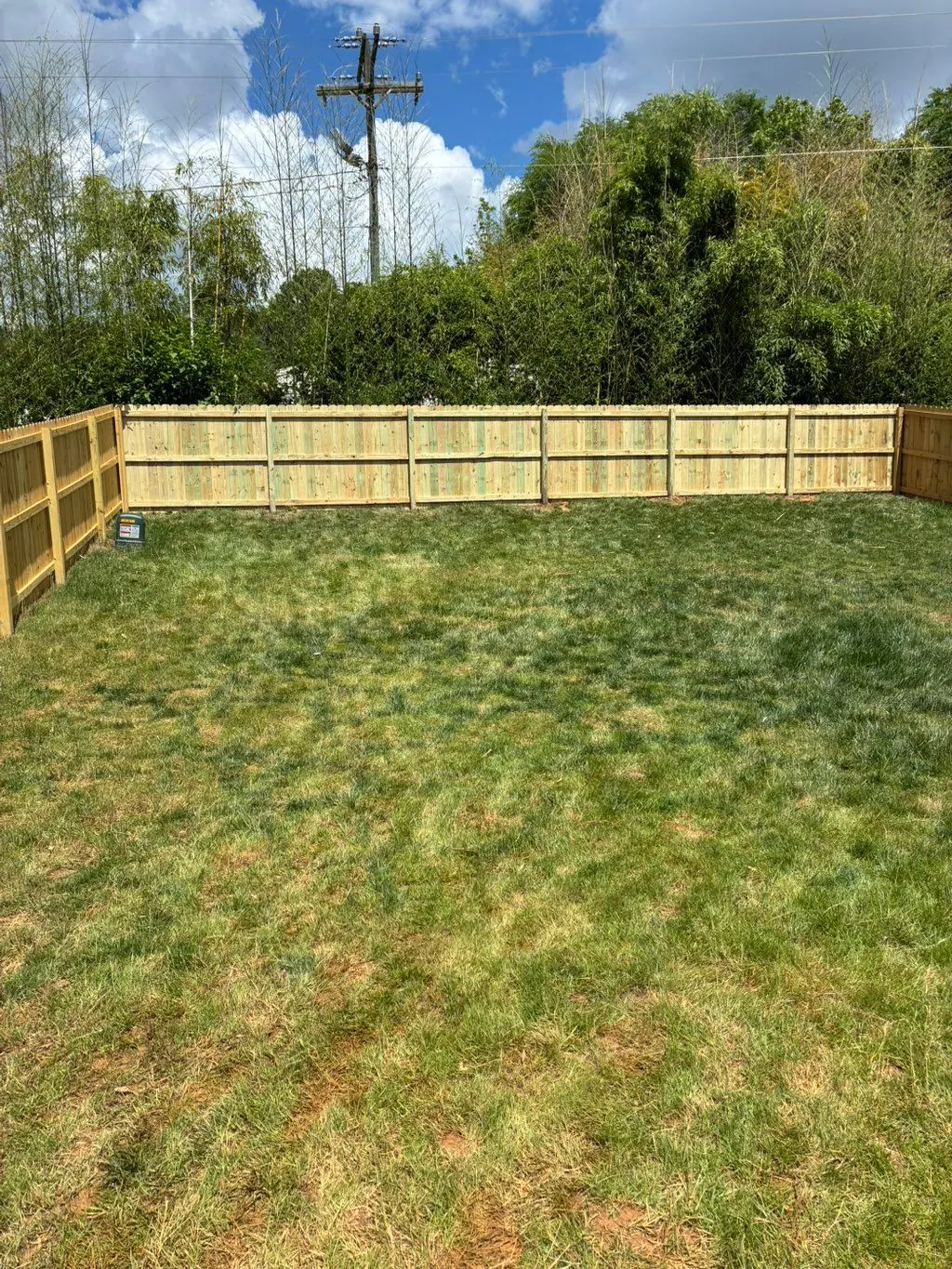
Fall (September to November)
Many people consider fall the best season for fence installation in Charlotte.
Advantages
- Comfortable weather: cooler temperatures and lower humidity.
- Often drier: fall frequently brings stretches of clear, dry days.
- Plants slowing down: landscaping is less disrupted as perennials fade.
- Ready for next year: the fence is in place before spring, with no waiting during the busy season.
- Staining conditions: mild temperatures are good for staining once wood is ready.
- Holiday privacy: a fence is ready for gatherings and helps contain pets when guests are coming and going.
Things to know
- Falling leaves need clearing along the fence line.
- Hurricane remnants occasionally bring heavy rain in early fall.
- Shorter days later in the season.
Winter (December to February)
Winter is often overlooked, but it can be an excellent time to install a fence in Charlotte.
Advantages
- Mild climate: Charlotte winters are generally mild, and the ground rarely freezes deeply for long.
- Dormant plants: grass, shrubs and perennials are dormant, so installation has less impact on landscaping.
- Visibility: with leaves down, it is easier to see the fence line, property pins and obstacles.
- Ready for spring: the fence is done before the spring rush.
Things to know
- Cold snaps and ice: occasional freezing weather or ice can pause work for a day or two.
- Concrete curing: concrete cures more slowly in cold weather, which we account for.
- Staining: wood staining usually waits for warmer, dry conditions.
- Wet periods: winter rains can leave clay soggy.
Season-by-season summary
| Season | Pros | Considerations |
|---|---|---|
| Spring | Ready for summer, comfortable weather | Busy schedule, rain, pollen |
| Summer | Long days, drier ground | Heat, storms, hard clay |
| Fall | Comfortable, often dry, ready for next year | Leaves, occasional tropical rain |
| Winter | Dormant plants, clear sightlines, beat the spring rush | Cold snaps, slower curing, staining waits |
Plan around HOA approval
If you live in an HOA community, approval often takes the longest of any step. Many architectural committees meet monthly or have review periods measured in weeks. Some ask for revisions. That means you should start the HOA process well before your target date.
- Get your estimate and drawing from Ron.
- Submit your architectural request with the site plan, material, style, color and height.
- Wait for approval, and respond quickly to any questions.
- Schedule installation once approved.
We help prepare paperwork, but approval is always up to your HOA. See our HOA approval checklist and HOA approval guide.
Plan around life events
- New puppy or rescue dog: start planning a couple of months before the dog arrives.
- New pool: coordinate with your pool builder. Pool barriers often need to be in place before final inspection. See pool fence requirements.
- Moving into a new home: get an estimate soon after closing, and check HOA rules right away.
- Selling a home: a new or repaired fence can improve curb appeal. See does a fence add value?
- Outdoor events: a graduation party or wedding in the backyard needs lead time.
How long does installation take?
Once scheduled, most residential fences take just a few days to install, depending on size, material and site conditions. Our installation timeline guide breaks this down.
Staining a new wood fence
If you are installing wood, plan for staining. New pressure-treated wood often needs time to dry before stain will absorb well, and staining is best done in mild, dry weather. That means a fence installed in winter might be stained in spring, while a fence installed in late spring might be stained in fall. See when to stain a new wood fence.
What happens during each step
Understanding the steps helps you see where time goes:
- Estimate request: you reach out by phone or the online form. Ron schedules a visit.
- On-site estimate: Ron walks the property, measures the fence line, discusses materials, heights and gates and notes slopes, trees and access.
- Written estimate and drawing: you receive pricing and a layout you can use for HOA paperwork.
- Approvals: HOA approval and any local permits, if required.
- Scheduling and materials: your project goes on the calendar and materials are ordered.
- Utility locates: public utilities are marked through 811 before digging.
- Installation: our in-house crew removes any old fence, sets posts and builds the new fence.
- Walkthrough: you check the finished fence and gates with the crew.
See our process for more detail.
Weather delays
Heavy rain, storms and occasional ice can delay work for a day or two. We reschedule to make sure posts are set in good conditions rather than rushing in bad weather. We keep you informed if weather affects your schedule.
Storm replacements
Sometimes the timing is not up to you. Storms can damage fences at any time of year. If your fence is damaged, safety and securing pets come first. See our storm-damaged fence guide for next steps.
Does season affect price?
We do not advertise seasonal discounts, and we do not invent pricing. Material costs can change over time for reasons outside anyone's control. The best way to know your price is a free on-site estimate. Our pricing page shows published starting rates, and the cost calculator gives a preliminary range.
Preparing for installation in any season
- Mark private underground lines like irrigation and invisible dog fences.
- Trim plants along the fence line.
- Move items away from the work area.
- Make sure the crew can access the yard.
- Plan for pets during installation.
- Let neighbors know the schedule.
Our prep guide has the full checklist.
A sample planning timeline
Here is how a typical project might come together for a homeowner who wants a fence ready by early summer:
- Late winter: research styles in the Fence Design Studio, review HOA rules and request a free estimate.
- A week or so later: Ron visits, measures, talks through materials and gates and provides a written estimate and drawing.
- Early spring: submit the HOA architectural request and wait for approval.
- Mid spring: once approved, confirm the order and get on the installation schedule.
- Late spring: installation, typically a few days.
- Later in the year: stain the wood once it is ready, in mild weather.
If you do not have an HOA, you can often skip the approval step entirely and move straight from estimate to scheduling, which shortens the timeline considerably. Every project is different, and HOA timing in particular varies, but working backward from the date you need the fence is the surest way to have it ready in time.
Timing by fence material
Wood
Wood can be installed in any season. The main timing consideration is staining. Plan installation so the wood can dry and then be stained during mild, dry weather. Many homeowners like a fall installation with spring staining, or a spring installation with fall staining.
Vinyl
Vinyl installs well year-round. In very cold weather, vinyl becomes a little less flexible, so it is handled with extra care. In summer heat, it expands slightly, which the panel design accounts for.
Aluminum
Aluminum is not affected much by season. It is a great choice for a winter installation, when dormant plants make it easy to see how the fence will frame the yard in spring.
Chain link
Chain link can go in any time of year. Because it is often used for large areas and dog containment, homeowners frequently schedule it around a new pet's arrival.
Common timing mistakes
- Waiting until the week you need it. Estimates, HOA approval, ordering and scheduling all take time.
- Forgetting the HOA timeline. Committees often meet monthly, and one missed meeting can push your project back weeks.
- Staining too soon. Stain on wet, new wood may not absorb well.
- Scheduling around a big event with no buffer. Leave room for weather delays before a party or pool opening.
- Assuming winter is off limits. In Charlotte, winter can be one of the easiest times to get on the schedule.
The real answer: start now
No matter the season, the best first step is a free estimate. It gives you a clear plan, a price and a drawing for your HOA, and it gets you in line for installation. Ron does every estimate personally, our in-house crew does every installation with no subcontractors, and our work is backed by a 2-year workmanship warranty. Fences & Firepits is licensed and insured. Call Ron at (980) 339-2182 or request an estimate online.
Frequently asked questions
Can you install a fence in winter in Charlotte?
Yes. Charlotte's mild winters allow installation most of the season. Occasional cold snaps or ice may pause work briefly.
When is the busiest season for fence installation?
Spring is one of the busiest times. Requesting an estimate in late winter helps you get on the schedule.
How far ahead should I plan a fence?
Start a couple of months before you need it, especially if you need HOA approval, which can take weeks.
Is fall a good time to install a fence?
Many homeowners find fall ideal, with comfortable weather, often drier conditions and the fence ready before spring.
When should I stain a new wood fence?
New wood usually needs time to dry before staining, and mild, dry weather is best. Ron can advise based on your wood and season.
Do weather delays push back my installation?
Heavy rain, storms or ice can delay work for a day or two. We reschedule so posts are set in good conditions and keep you informed along the way.
Can I get an estimate now and install later?
Yes. Many homeowners get an estimate early, use the drawing for HOA approval and then schedule installation for the season that suits them. Ron can talk through timing during your visit.

About the author
Fences & Firepits team, reviewed by Ron Memallaj, owner of Fences & Firepits LLC. We're a licensed and insured fence company in Charlotte, NC, serving the city and surrounding communities since 2022. Every fence we build is installed by our own in-house crew. We don't hire subcontractors.