
Key takeaways
- Fence height can be controlled by your town or county, your HOA and pool barrier rules, and the strictest rule wins.
- Front yards and corner lots usually have lower limits than backyards.
- Rules differ between Charlotte, the surrounding towns and the counties, so always check for your exact address.
- Ron confirms height considerations during your free on-site estimate, but final approval rests with your town and HOA.
"How tall can my fence be?" is one of the first questions homeowners ask Ron during an estimate. The honest answer is that it depends on where you live, where on the property the fence goes and whether you are in an HOA. A 6 ft privacy fence that is perfectly fine in one backyard may not be allowed along the front of the same house.
This guide explains what typically controls fence height around Charlotte, the common patterns you will see and how to confirm the rules for your specific address. It is general information, not legal advice. Rules change and vary from town to town, so always check with your local planning or zoning office and your HOA before you build.
Who sets the rules?
There are usually up to three layers of rules that can affect fence height on a residential property:
1. Your town, city or county
Local zoning ordinances often set maximum fence heights for residential properties, and frequently treat front, side and rear yards differently. Your property falls under either an incorporated town or city, such as Charlotte, Matthews, Mint Hill, Huntersville, Concord or Monroe, or under county rules if it is in an unincorporated area. The planning or zoning department is the place to ask.
2. Your HOA
If you live in a community with a homeowners association, its covenants and architectural guidelines may set stricter limits than the town. Many HOAs specify height, material, color, style and where a fence can be placed. HOA rules are a private agreement you accepted when you bought the home, and they can apply even if the town would allow something taller.
3. Pool barrier requirements
If the fence encloses a pool, building code pool barrier rules set minimum heights and other requirements like picket spacing and self-closing gates. These are about safety, and they are enforced through the permitting process. See our pool fence requirements guide.
When more than one set of rules applies, you need to satisfy all of them. In practice, that means the strictest rule usually wins.
Common patterns you will see
Every town writes its own rules, but a few patterns show up again and again across residential zoning:
Front yards are usually lower
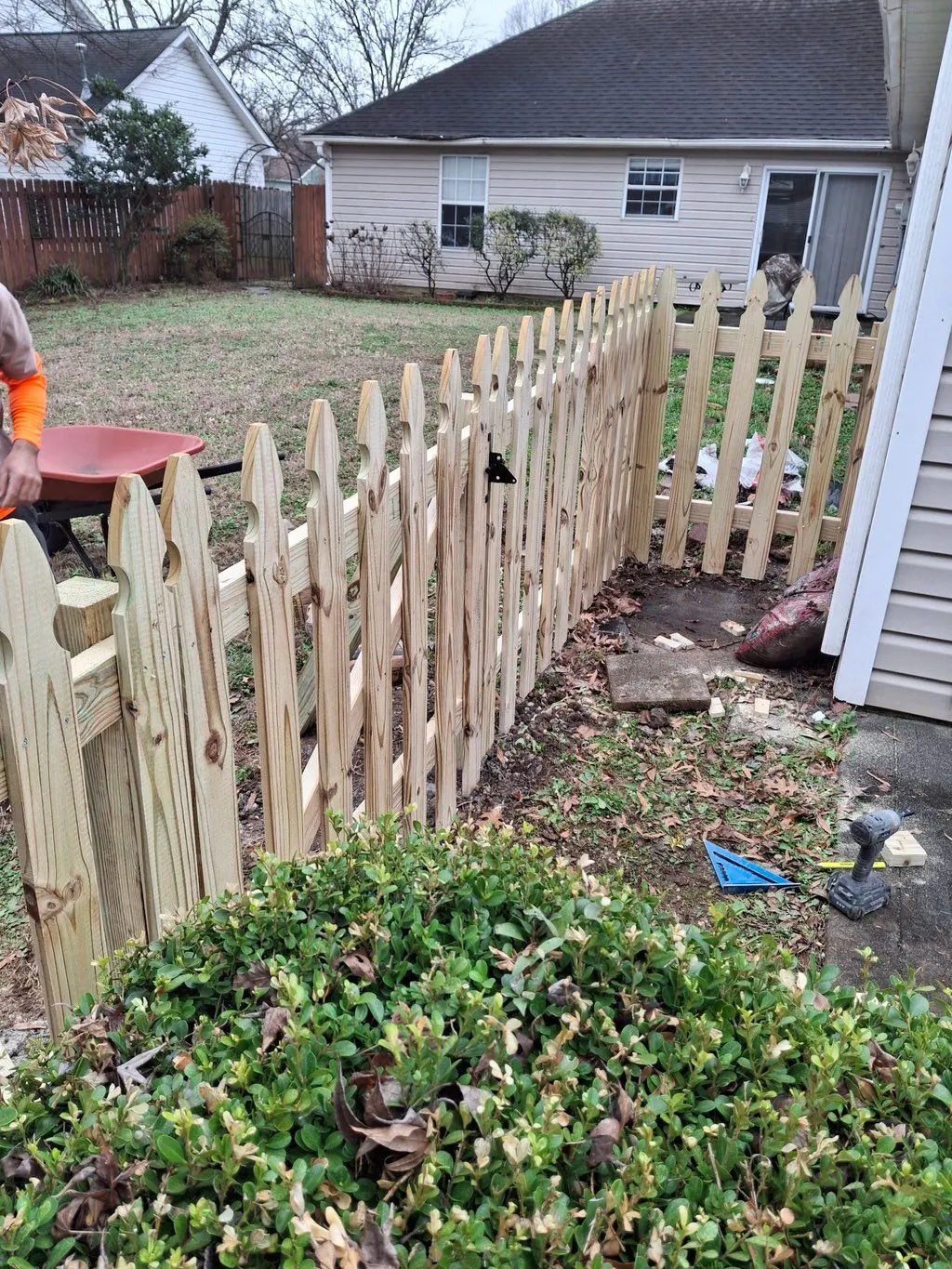
Many towns limit front yard fences to a lower height than backyard fences. The goal is to keep streetscapes open and protect visibility for drivers and pedestrians. That is why you see so many 3 to 4 ft picket and aluminum fences in front yards and taller privacy fences behind the house.
Backyards allow more height
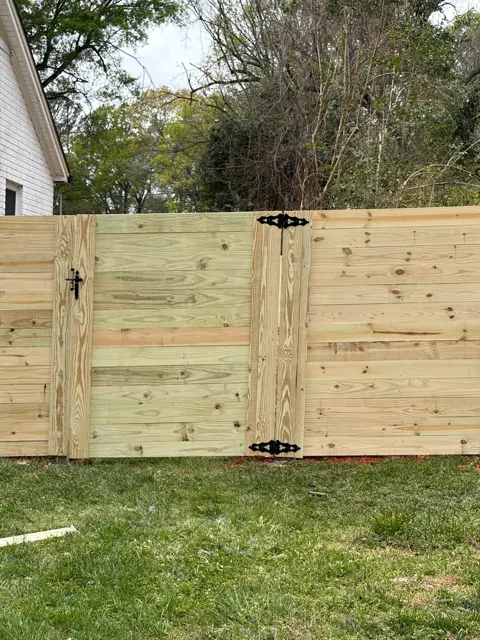
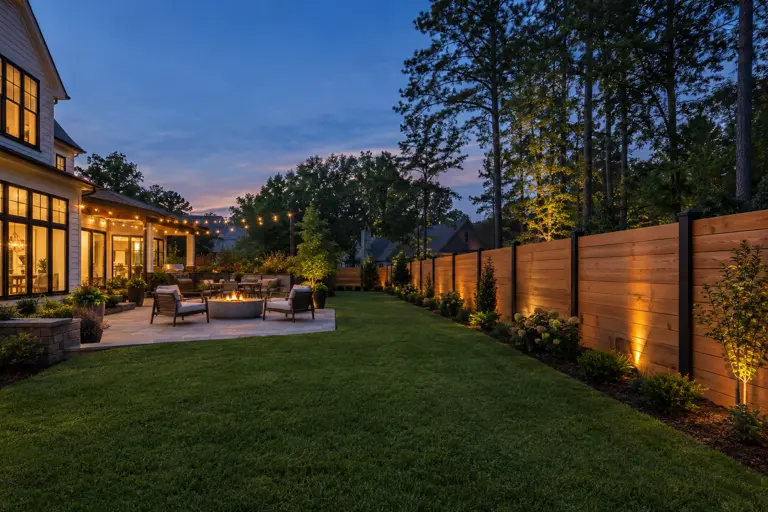
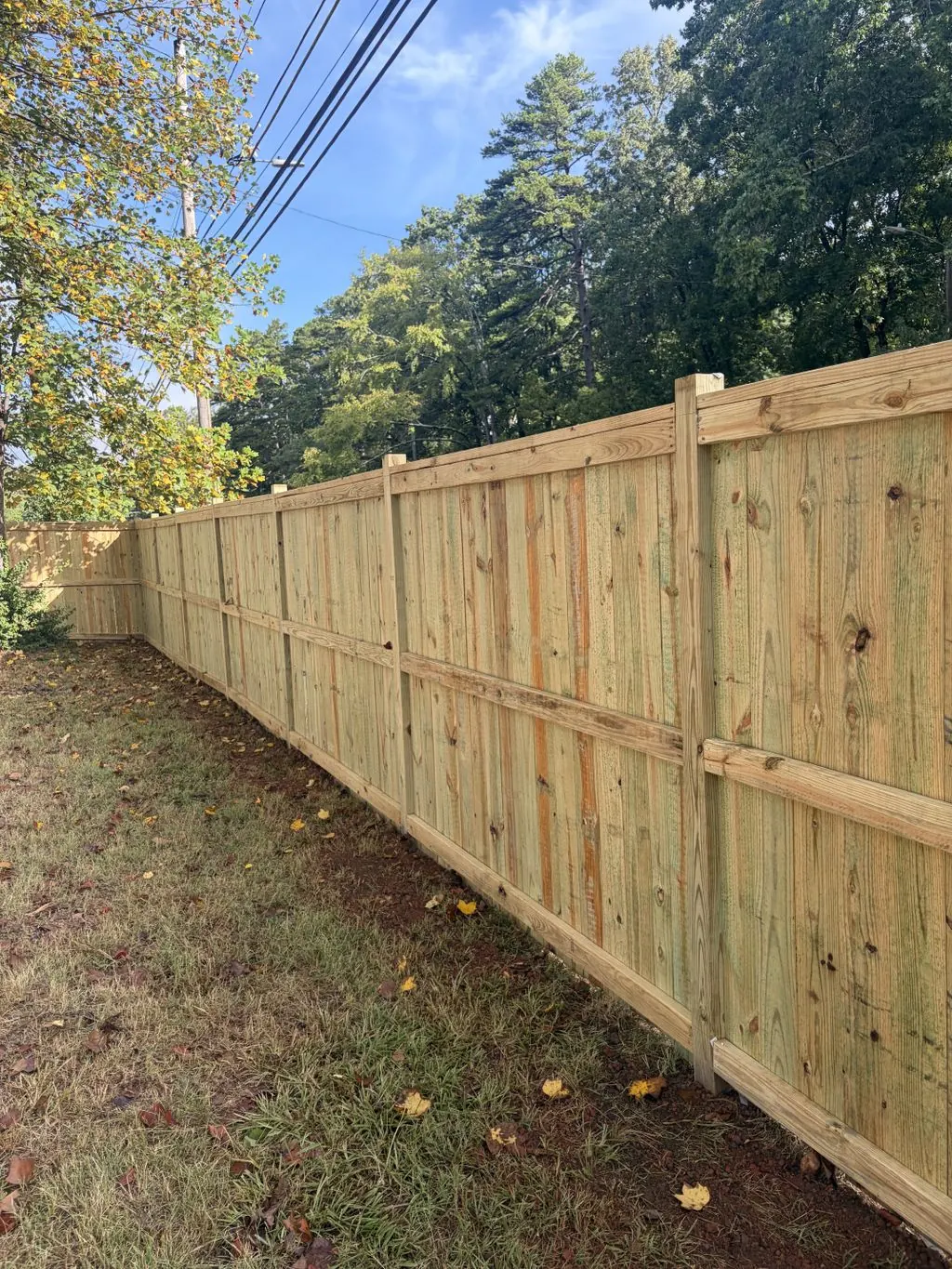
Rear and side yards typically allow taller fences, which is where most privacy fences go. In many residential areas, a 6 ft privacy fence in the backyard is common, but you should confirm the specific limit for your address.
Corner lots have extra considerations
Corner lots effectively have two street-facing sides. Many ordinances treat both sides as front-like yards and include sight-triangle rules that keep fences, walls and plantings low near intersections so drivers can see oncoming traffic. If you are on a corner, expect a closer look at where a tall fence can go.
Height is measured from the ground
Rules usually measure height from the ground at the fence line. On sloped yards, stepped fence sections and post caps can change the effective height at certain points. If you are close to a limit, ask how your town measures it.
Typical heights by use
Separate from what the rules allow, here is how we typically see heights used. Your local rules and HOA always come first.
| Use | Typical height | Common materials |
|---|---|---|
| Front yard decorative | 3 to 4 ft | Picket, aluminum, split rail |
| Small dogs, defining spaces | 4 ft | Aluminum, chain link, picket |
| Larger dogs, more security | 5 to 6 ft | Aluminum, chain link, privacy |
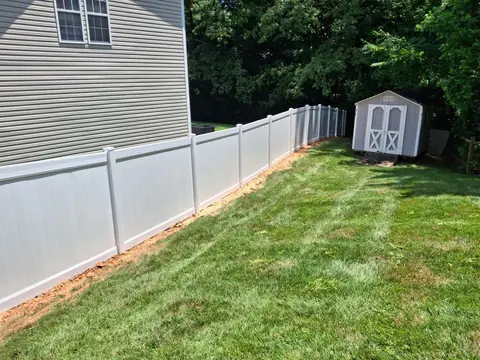
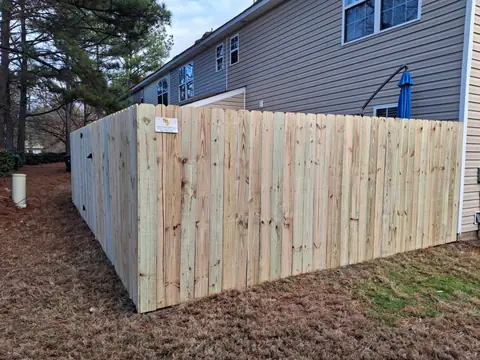
| Backyard privacy | 6 ft | Wood, vinyl privacy |
| Extra privacy where allowed | 8 ft | Wood privacy |
| Commercial security | 6 to 8 ft | Chain link |
We offer wood at 3, 4, 6 and 8 ft, vinyl from 3 to 6 ft, aluminum at 3, 4, 4.5, 5 and 6 ft and chain link at 4, 5, 6 and 8 ft. Not every height is allowed everywhere.
Do I need a permit?
Permit requirements vary by town and by project. Some places require a permit or zoning review for fences over a certain height, fences in certain locations or any pool barrier. Others do not require a permit for typical residential fences. Ask your local planning or zoning office, and if a permit is needed, make sure it is in place before work begins. Ron can talk through what he typically sees in your area during the estimate, but the town has the final word.
How to confirm the rules for your address
- Find out which jurisdiction you are in. Your mailing address city is not always your zoning jurisdiction. Your county's property records or GIS map will show whether you are inside town limits.
- Contact the planning or zoning office. Ask about maximum heights for front, side and rear yards, corner lot rules, sight triangles and whether a permit is required.
- Read your HOA covenants and architectural guidelines. Look for height, material, color, style and placement rules.
- Submit an architectural request if you have an HOA. Include a site plan, the material, style, color and height. Our HOA approval checklist walks through it.
- Check for easements. Your plat or survey may show utility or drainage easements where fences are restricted.
- Call 811 before digging. We arrange utility locates before installation.
What if I need more privacy than the rules allow?
If the height limit is lower than you hoped, there are still ways to get the privacy you want:
- Choose a fully solid style. Board-on-board or full privacy vinyl blocks views completely at whatever height is allowed. See board-on-board vs. standard privacy.
- Use the full allowed height. A lattice top on a privacy fence can add a decorative band within the allowed height. Confirm how your HOA measures it.
- Position the fence strategically. Placing privacy where you actually sit, such as around a patio, is often more effective than fencing the whole perimeter tall.
- Add plantings. Evergreen shrubs and trees inside the fence line can extend screening over time.
- Consider grade. On some lots, where you place the fence relative to the slope affects how much it screens.
Our best privacy fence guide covers privacy options in depth.
Front yard fence ideas within typical limits
Front yard rules tend to be lower, but that does not mean less attractive. Popular front yard choices include white vinyl or wood picket fences, black aluminum flat-top or spear-top, and split rail for a rustic look. A lower front fence can add curb appeal, define the yard and keep small pets in without blocking the view of your home. See our front yard fence ideas for inspiration.
Height and HOA approval
HOAs often care about consistency across the neighborhood, so many specify a single allowed height for privacy fences and a lower one for front or side areas. They may also care about how the fence transitions from tall to short sections near the front of the house. Submitting a clear drawing with heights marked on each section helps your application move faster. We help prepare paperwork, but we never guarantee HOA approval. That decision is always up to your HOA. Our HOA fence approval guide has more tips.
Height and neighbors
Even when a tall fence is allowed, it is a good idea to talk with neighbors before you build. A quick conversation about the height, the style and which side faces them can prevent surprises and keep relationships good. If a fence runs along a shared line, make sure you know exactly where the property line is. Our property line and neighbors guide covers this.
Height and pets
If containing a dog is a main goal, make sure the allowed height works for your dog before you choose a material. Athletic jumpers may need 5 or 6 ft. If front yard limits are lower, consider keeping the dog's area in the backyard where taller fences are usually allowed. Our large dog guide covers this in detail.
Height on sloped lots
Charlotte-area yards are rarely flat. On a slope, fence sections are either stepped, which keeps panels level and creates a stair-step top, or racked, which follows the grade. Stepped fences can be taller than the nominal height at the high end of each step and leave gaps at the low end. If you are close to a height limit, this matters. Ron explains how each section will be handled during your estimate. Our sloped yard guide goes deeper.
Height and gates
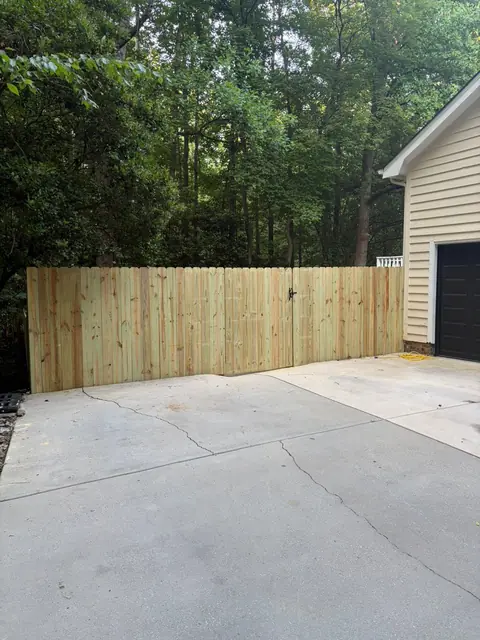
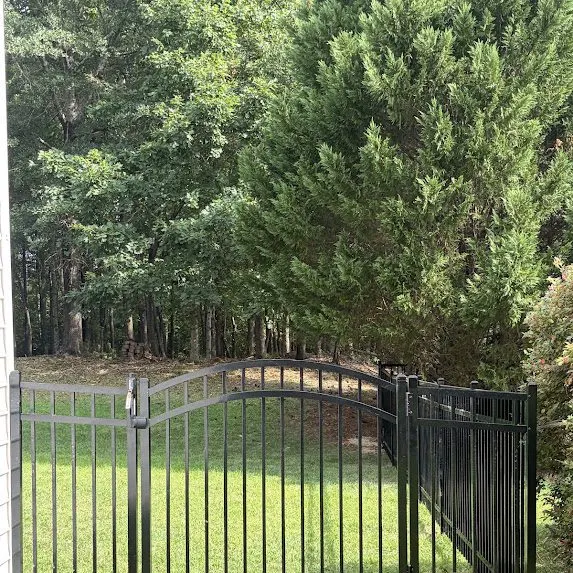
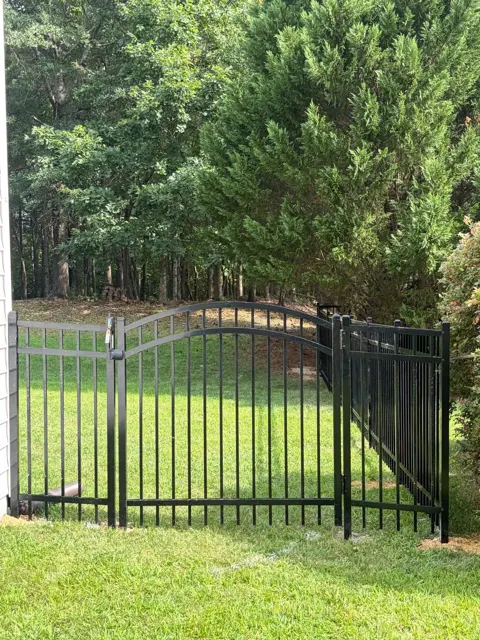
Gates generally match the height of the fence around them, but some homeowners choose a slightly lower or decorative arched gate at a front walk. Arched tops can rise above the fence line, so confirm how your HOA and town treat that. Driveway gates across a front yard may also fall under front yard height rules. Our driveway gate guide covers what to think about.
What to bring to your estimate
A little preparation makes the height conversation much faster. If you have them, have these ready when Ron visits:
- Your plat or survey showing property lines and any easements
- Your HOA covenants or architectural guidelines, especially the fence section
- Any notes from your call with the town's planning or zoning office
- A rough idea of where you want privacy, where you want open views and where pets will spend time
- Photos of any neighborhood fences you like, with a note on their height if you know it
Common mistakes to avoid
- Assuming your neighbor's fence sets the rule. It may have been built under older rules, with a variance or without approval.
- Relying on your mailing address. Your mailing city may not be your zoning jurisdiction.
- Forgetting the HOA. Town approval does not override HOA covenants.
- Building before approval. Removing or modifying a fence after the fact is costly.
- Ignoring corner lot sight lines. These rules exist for traffic safety.
How we help
During your free on-site estimate, Ron walks the fence line with you, discusses heights for each section, points out front yard and corner lot considerations and explains how slopes will be handled. We provide drawings and material details for your HOA application, and we schedule installation once you have the approvals you need. Fences & Firepits is licensed and insured, our crew is entirely in-house with no subcontractors, and our installations are backed by a 2-year workmanship warranty.
Ready to plan? Try layouts in the Fence Design Studio, see starting rates on the pricing page or call Ron at (980) 339-2182.
Frequently asked questions
How tall can a backyard fence be around Charlotte?
It depends on your town or county and your HOA. Many residential backyards allow 6 ft privacy fences, but you should confirm the limit for your exact address.
Are front yard fence heights lower?
Usually. Many towns set lower limits for front yards to keep streetscapes open and protect driver visibility. Check your local rules.
Do HOA rules override town rules?
You need to meet both. If your HOA is stricter than your town, you must follow the HOA's rules.
Do I need a permit for a fence?
It varies by town and project. Ask your local planning or zoning office. Pool barriers often have additional requirements.
Will you guarantee my HOA approves the height?
No. We help prepare drawings and paperwork, but approval is always up to your HOA.

About the author
Fences & Firepits team, reviewed by Ron Memallaj, owner of Fences & Firepits LLC. We're a licensed and insured fence company in Charlotte, NC, serving the city and surrounding communities since 2022. Every fence we build is installed by our own in-house crew. We don't hire subcontractors.